
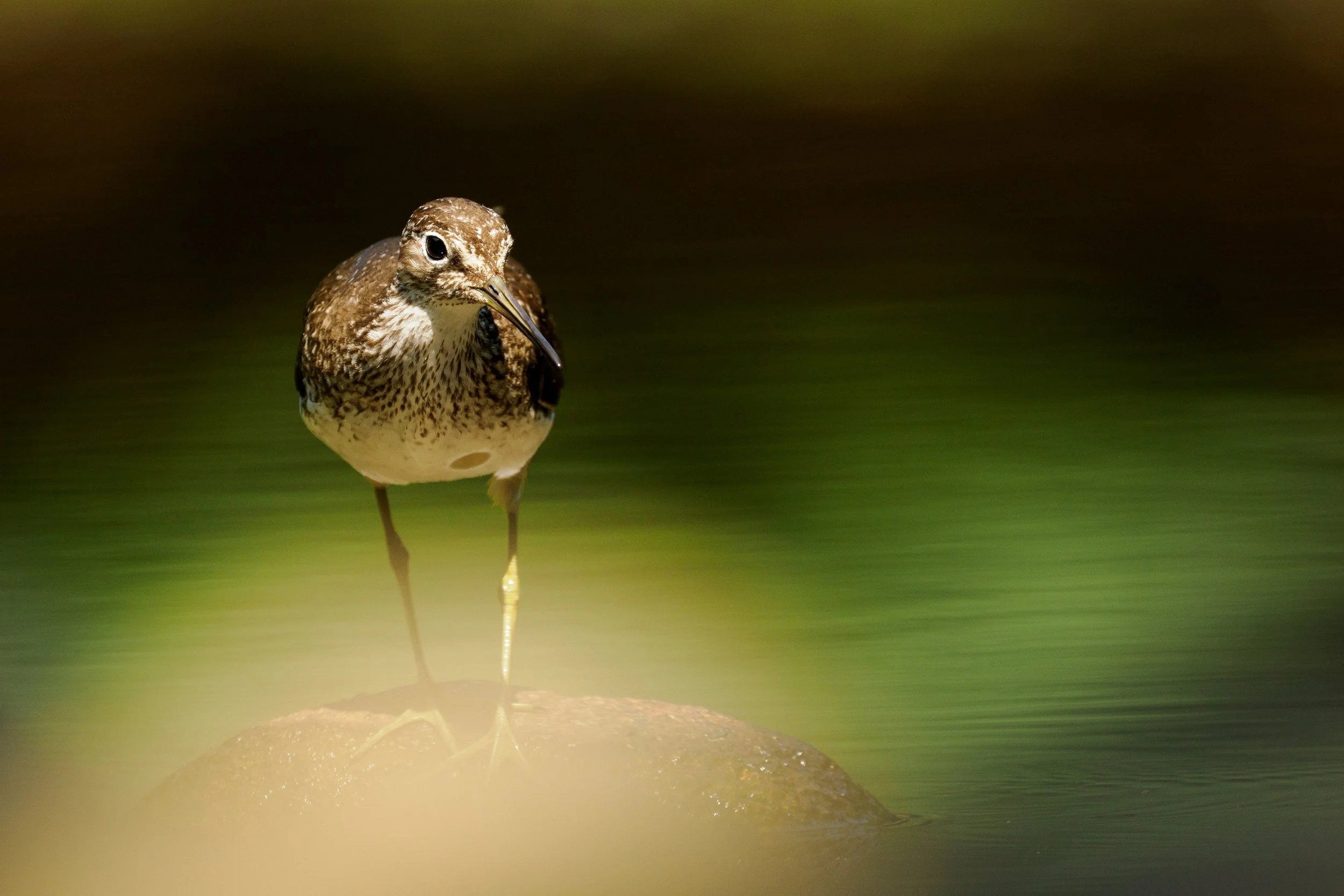
Stop Searching for Wildlife. Start Learning Where to Find It.
August can be a challenging month for wildlife photographers, but a slower field season can also be an opportunity to become more prepared. Learn how using past images, notes, and knowledge of productive locations can help you recognize patterns, adapt to changing conditions, and find wildlife more intentionally.
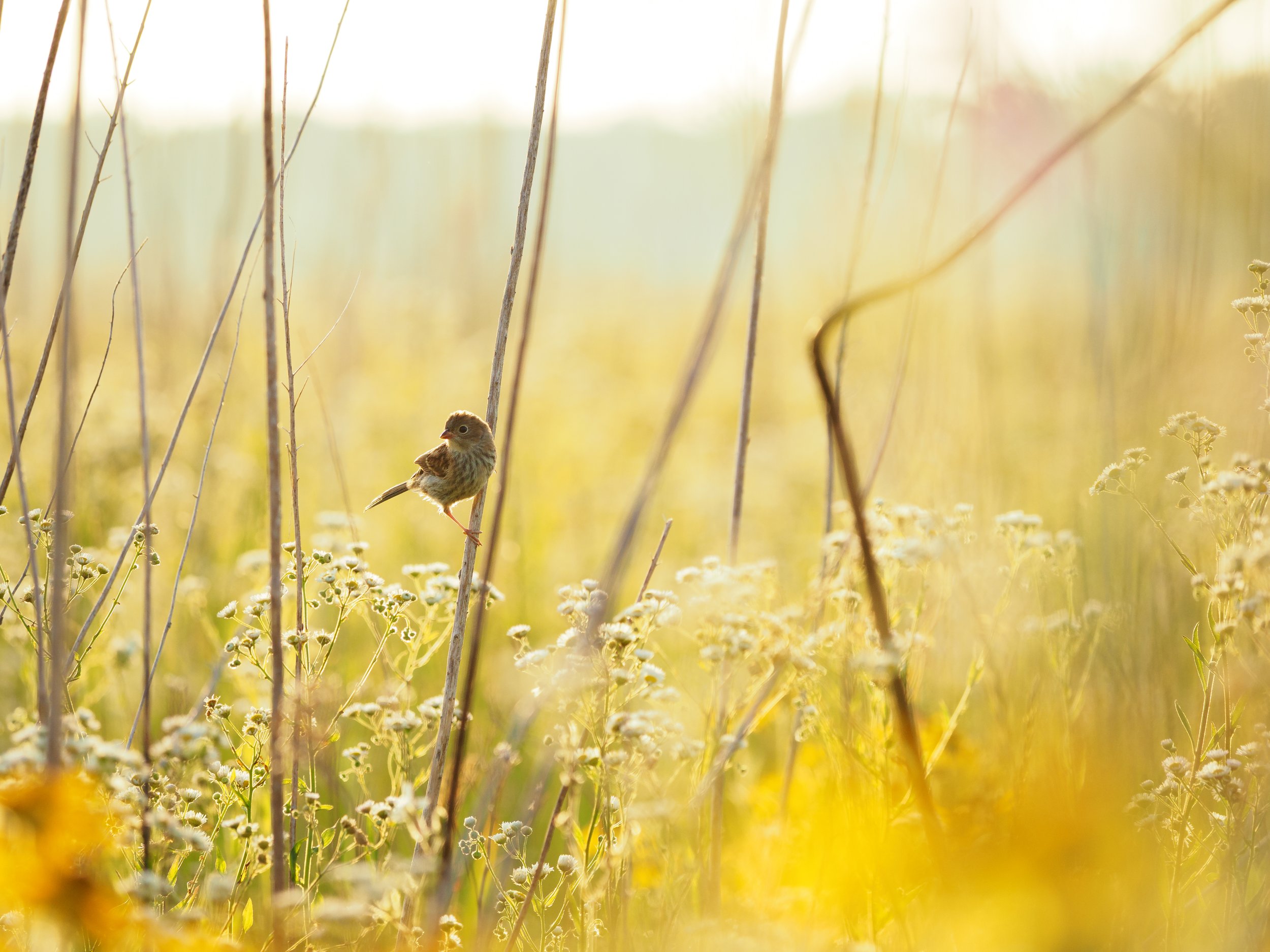
Why Sitting Still Can Make You a Better Wildlife Photographer
Patience is one of the most valuable skills a wildlife photographer can develop. While it's tempting to constantly search for the next subject, remaining quietly in one location often leads to more natural behavior, stronger compositions, and unforgettable encounters. In this article, I'll explain why slowing down and letting wildlife come to you can dramatically improve both your photographs and your time in the field.
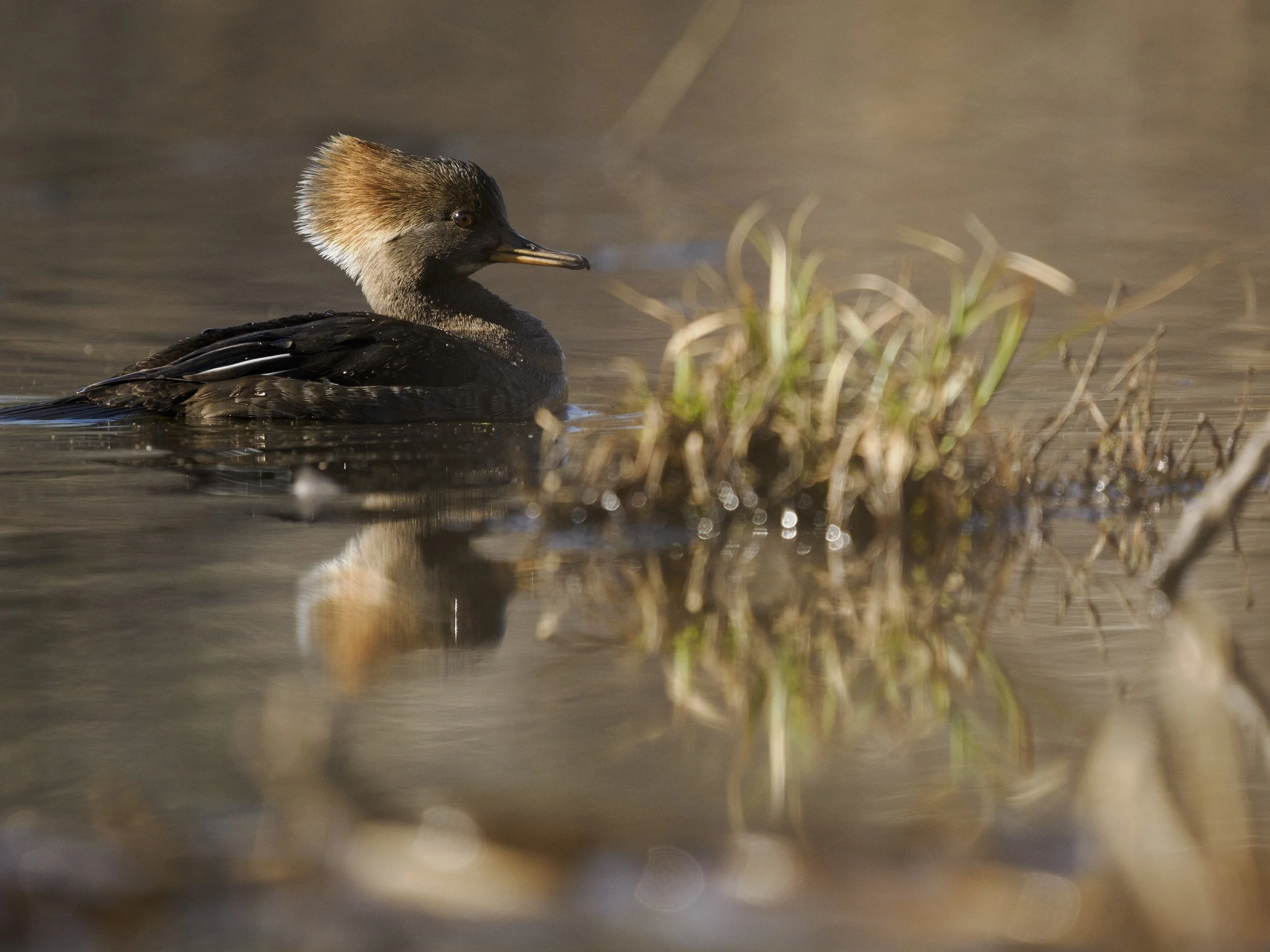
Best Autofocus Settings for Waterfowl Photography with the OM-1 Mark II
Autofocus can make or break your waterfowl photography, especially when subjects are constantly moving across the water or suddenly taking flight. In this month’s blog post, I break down the autofocus settings and techniques I use with the OM-1 Mark II to improve focus consistency in the field. From customizing target areas and adjusting C-AF sensitivity to knowing when tracking helps—or hurts—this guide focuses on practical, real-world techniques that can help you react faster and capture more keepers.
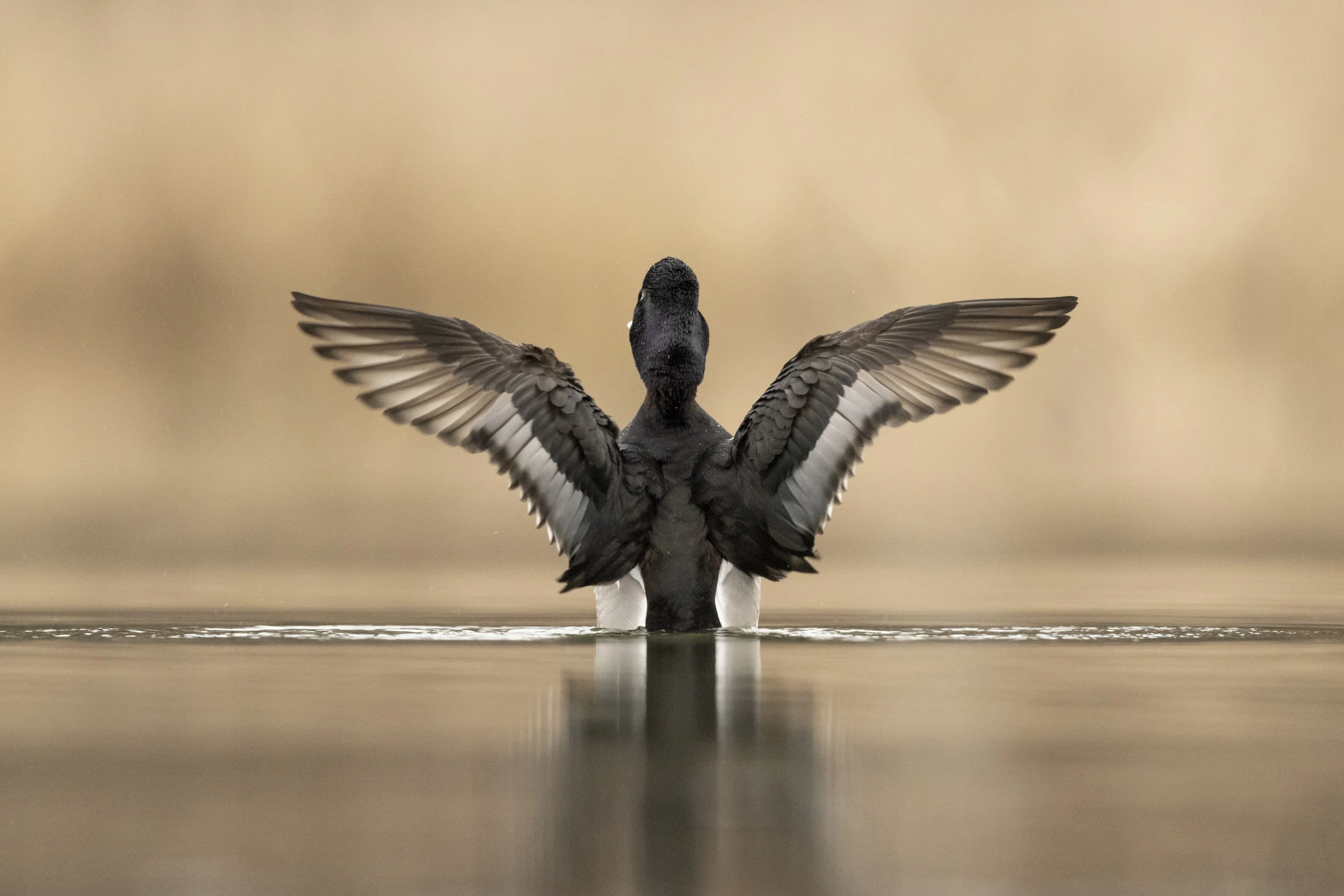
Waterfowl Photography Tips: Using Waterfowl Behavior to Capture Better Photos
Great waterfowl photos aren’t about reacting—they’re about anticipating. In this post, you’ll learn how to recognize key behavior cues so you can be ready for wing flaps, takeoffs, and those split-second moments that most photographers miss.
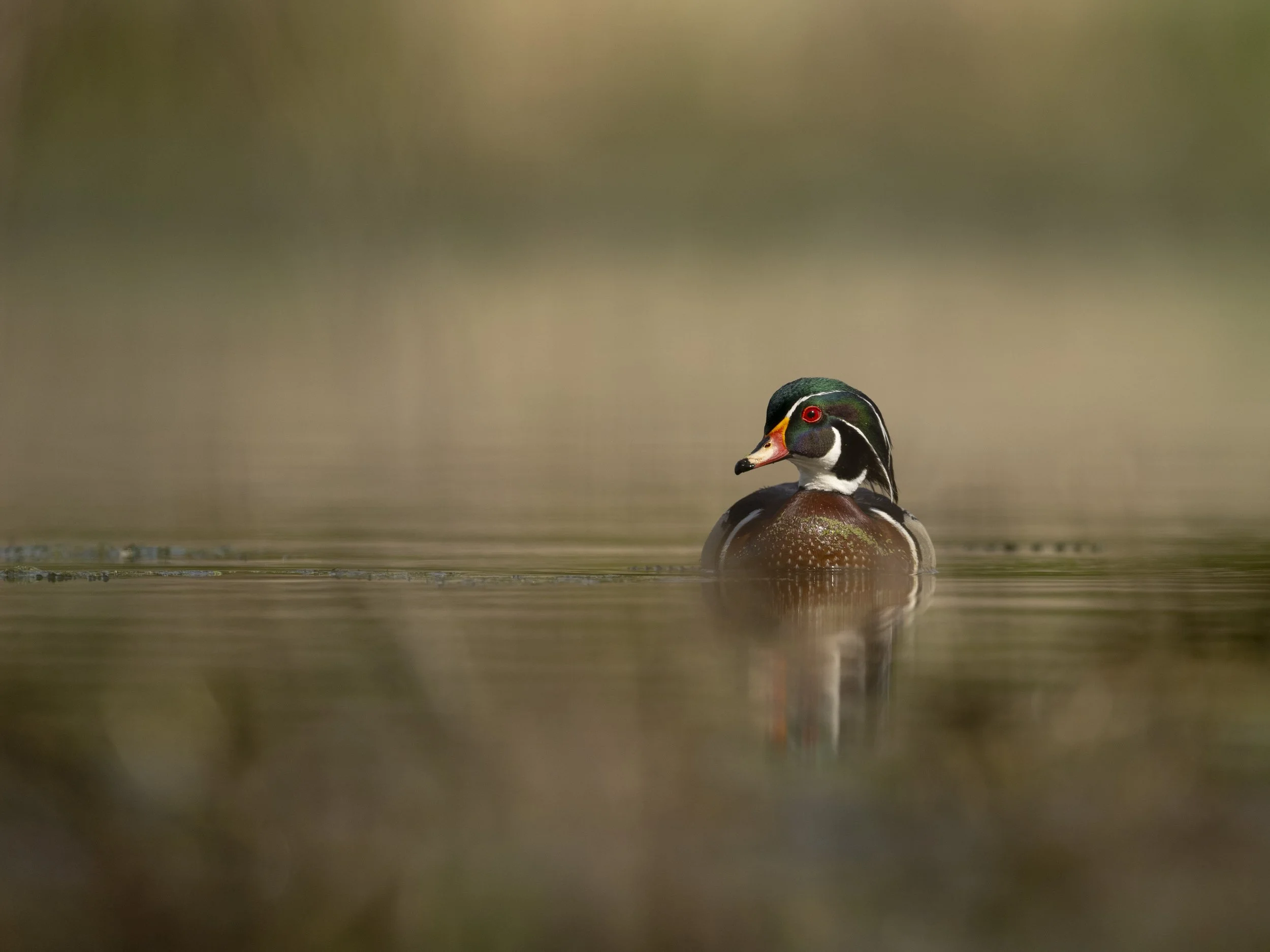
Waterfowl Photography Tips: How to Set Yourself Up for Success
Waterfowl photography can be one of the most challenging — and rewarding — areas of wildlife photography. In this post I share practical field tips on scouting locations, choosing gear, staying concealed, and setting up properly so you can increase your chances of capturing frame-filling images of ducks and other waterfowl this spring.
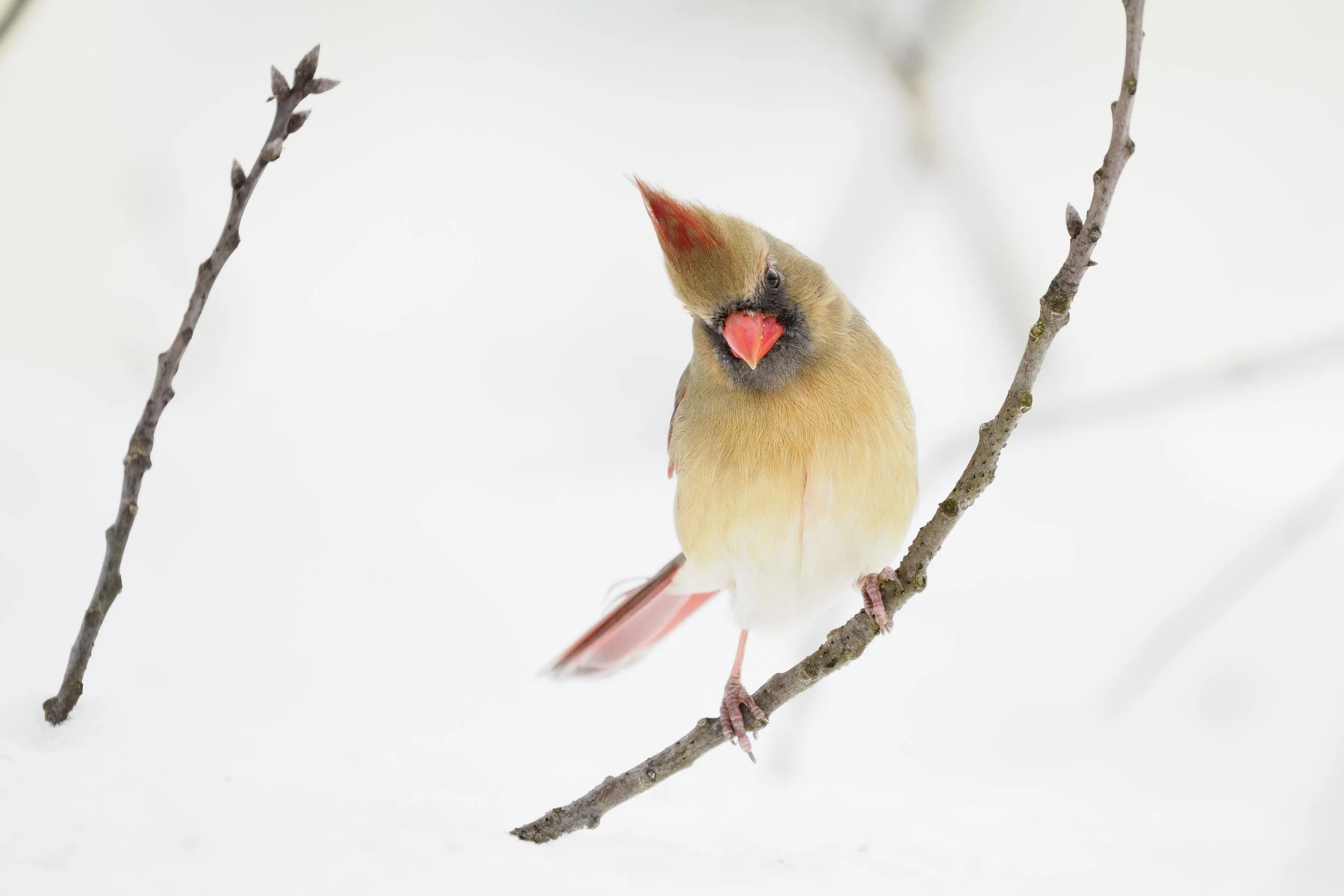
Backyard Bird Photography:
When winter weather makes travel difficult, backyard bird photography offers a powerful way to stay sharp, practice technique, and keep creating close to home.
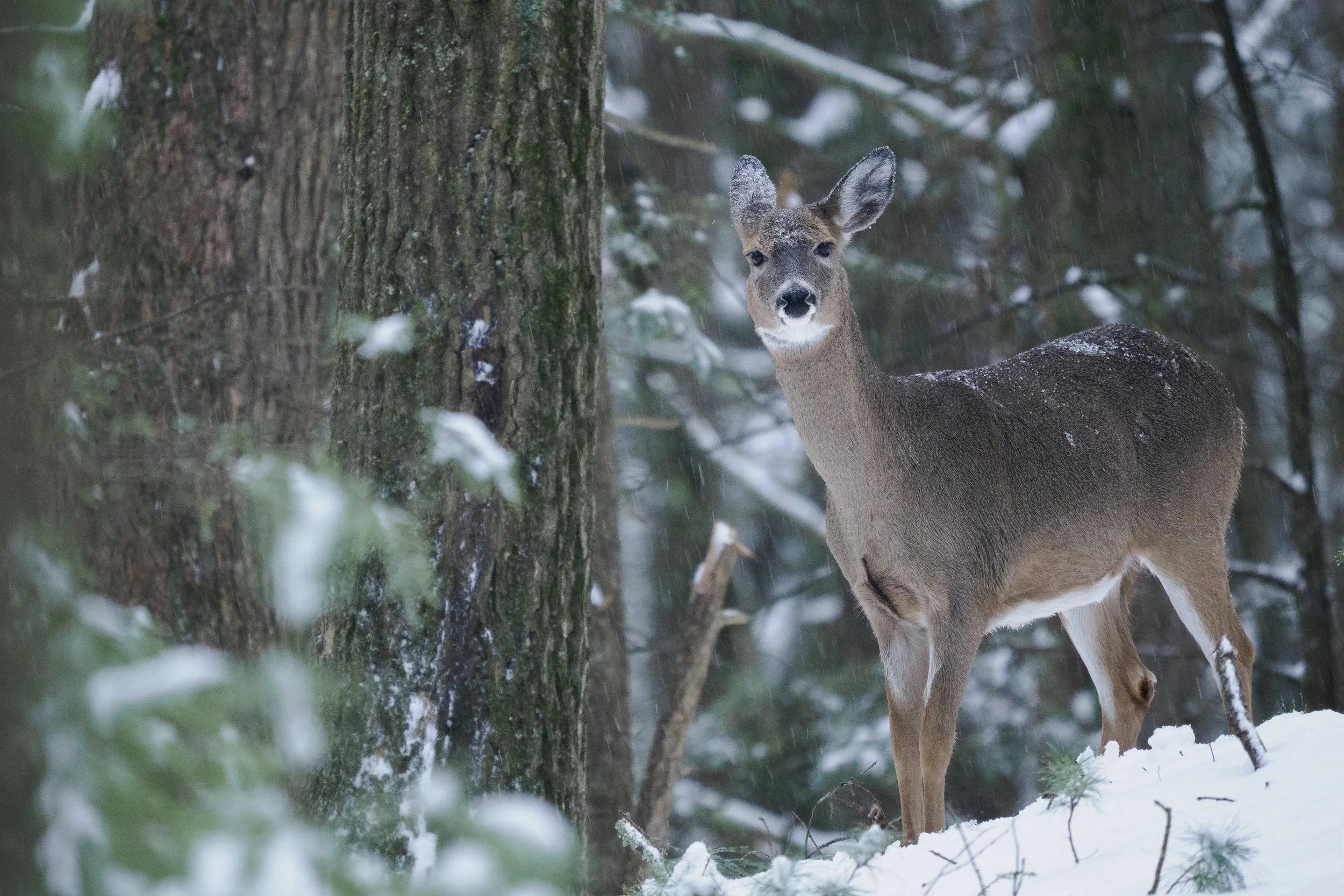
Wildlife Photography During Active Snow: Focusing Techniques That Work
Falling snow can turn an ordinary wildlife encounter into something special—but it can also confuse autofocus and ruin otherwise great images. In this post, I share practical focusing techniques I use in active snow, including when to pulse autofocus, when to switch to manual focus, and how focus peaking can save the shot.