
Stop Searching for Wildlife. Start Learning Where to Find It.
Using Past Knowledge and Experience to Become a More Productive Wildlife Photographer
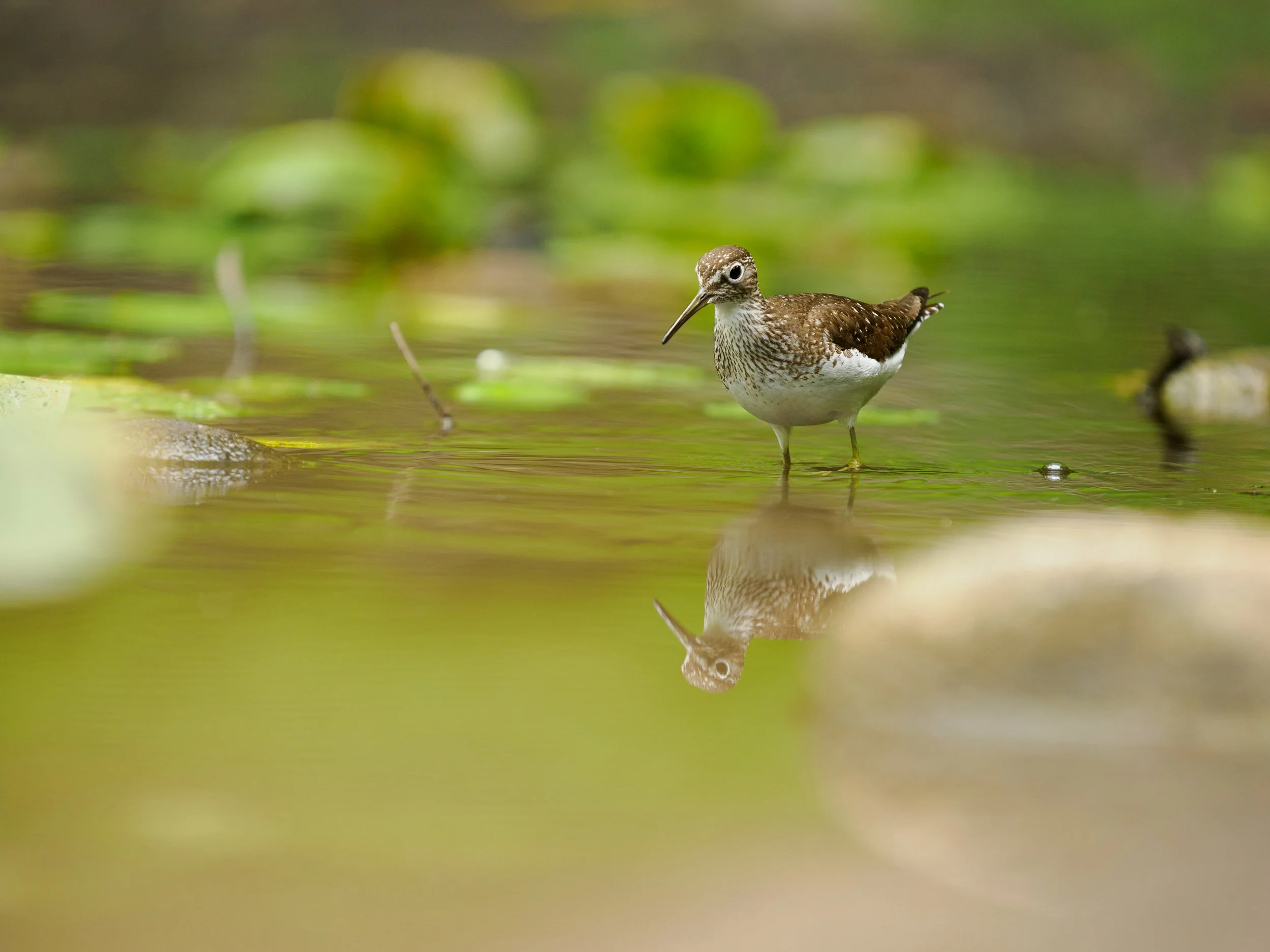
A Solitary Sandpiper (Tringa solitaria) wadding through the shallow water at the edge of the pond.
August can often feel like a slow month for wildlife photography. It is often the hottest month, the breeding season is over, so the forest turns quiet, making it harder to locate subjects to photograph.
But this doesn’t mean that August has to be unproductive for wildlife photography. In fact, August can be a great month to slow down and to focus on becoming a more prepared wildlife photographer.
Rather than going out in the field aimlessly trying to find subjects to photograph, instead take some time looking back through your previous images to see where you were successful in the past. Wildlife often follows a similar rhythm from year to year, and locations that were productive last year, will likely be productive again, barring any kind of large event where the landscape has changed significantly.
Create your own Wildlife Location Guide
Use your time to create a reference of places you have been to throughout the year. Looking back through your image catalog of the past year can help you jog your memory. Here are some notes you can include at each location:
Where was the location?
What time of year was it?
What species did you see?
What time of day was most productive?
How was the light?
What food sources were available?
What habitat features attracted wildlife?
What would you do differently next time?
What has changed since your last visit?
To improve the accuracy of your notes it is always better to take notes after each session in the field throughout the year. Then August can be a good time to review these notes. Reviewing these notes helps you to reveal patterns of when wildlife activity is the highest. Rather than simply remembering that you photographed “x” species at this location, you can learn why that species was there, and apply that to different areas and times of the year.
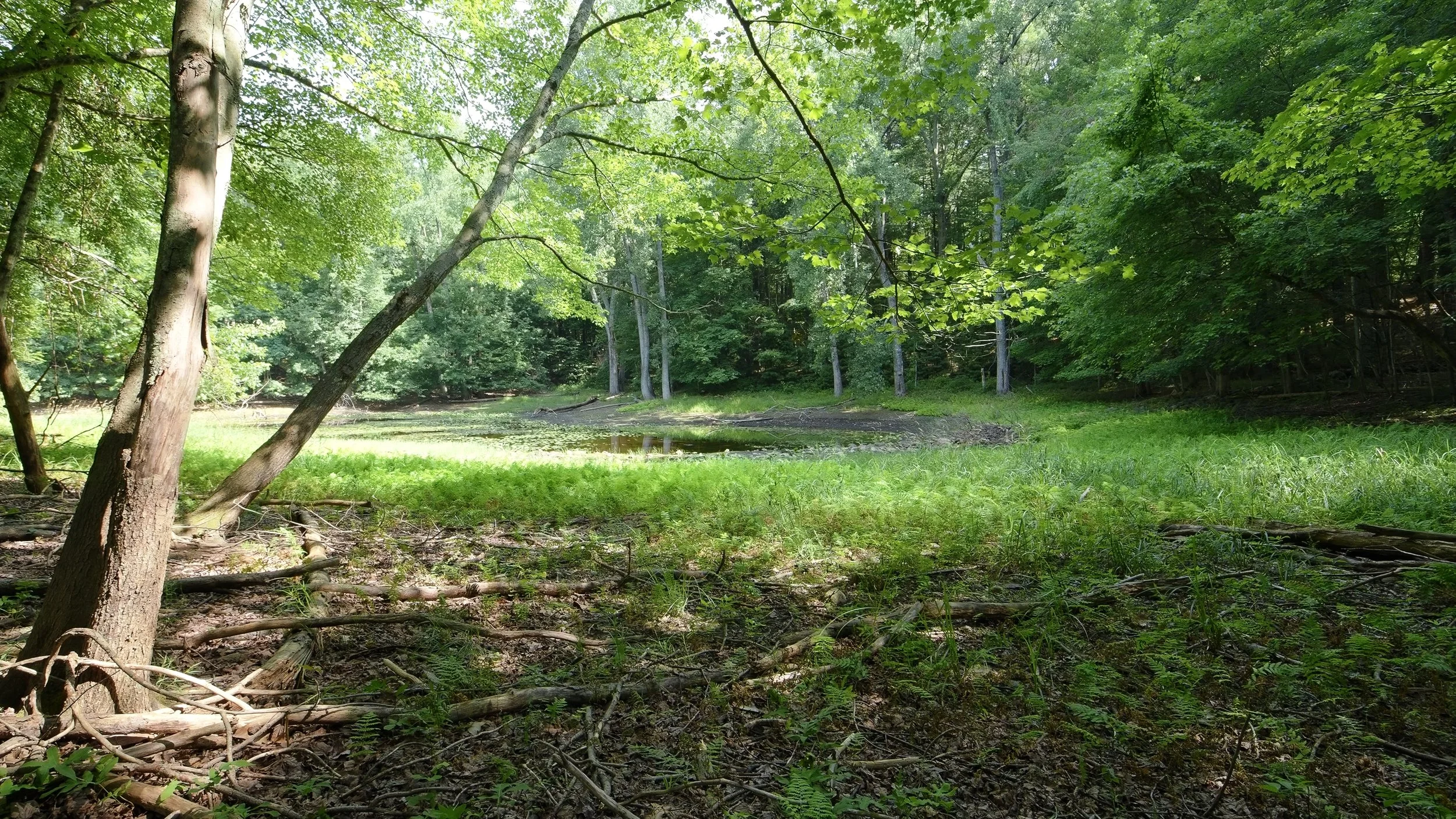
The small forest pond surrounded by tall trees offering protection to the animals that visit it. You can see the large mud banks along the edge.
Field Example: Returning to a Productive Location
A great example is looking for areas of water that can offer an oasis for wildlife. As the summer heat picks up, water becomes more and more scarce so wildlife of all kinds search it out. Last year I spent a considerable time around one small pond in the forest and was able to photograph green herons, belted kingfishers, phoebes, deer, and others. Just in this small patch of land.
This location became especially busy in early August as many of the young animals are setting out on their own for the first time and are looking for an easy meal and shelter. This small pond offered a buffet of small frogs, salamanders, and insects that drew their attention.
Knowing this was likely going to occur again this year, I knew this was going to be a location to visit again this August. Sure enough right at the end of July, I received word that there were three solitary sandpipers that were busy foraging along the banks, hunting for tadpoles in the shallow water.
Field Note:
I approached the pond from the south, so I would have the light at my back. Because I had been to the location before, I had an idea of where I wanted to set up before I even arrived, and had a mental image of what the area looked like.
Upon arrival I noticed the water level was lower than in previous years, creating even larger sections of shallow water with the lily pads barely floating in the water. This offered perfect foraging potential for the migrating shorebirds, and large muddy banks.
A quick scan of the banks did not reveal any birds, but that did not mean that they were not here. Sandpipers are masters of camouflage with their very cryptic plumage.
I set up on some rocks to stay dry and used the flip screen on the OM-1 II to be able to place my camera low, close to water level, and waited.
It didn’t take long for me to notice that a solitary sandpiper had been tucked in among some rocks to my left, and began to move towards me, foraging along the way.
Careful observation made it possible to witness this species' unique foraging style. Twitching their feet as they are submerged in the water to cause prey to move. As the prey moved, the bird would grab them with their long beak. I was able to sit on the banks watching this individual grab large insects and tadpoles from the water.
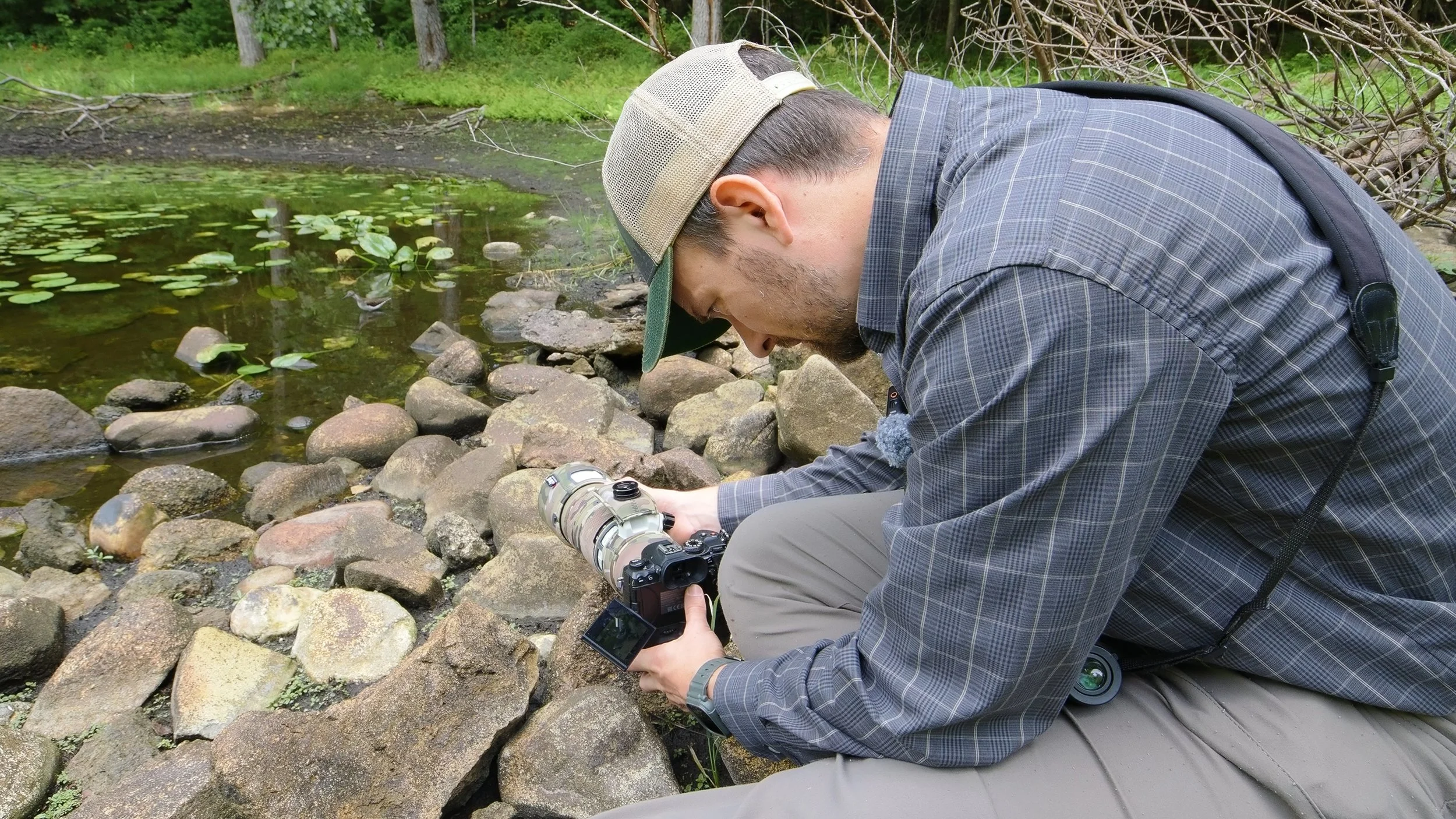
I set myself up on these rocks to stay out of the mud and waited for the sandpiper to head my way. You can see the sandpiper only about 4 meters in front of me here foraging. By sitting still and being patient, the bird decided it was safe to approach allowing for great opportunities for images.
Tying this back to a previous blog post, the benefits of choosing a location, sitting and waiting, will often get you the best results in wildlife photography.
Follow the food, and you will find subjects to photograph.
Use Previous Knowledge But Don’t Be Reliant On It
This example highlights too that locations and the species that use them change from year to year. Rather than the herons and kingfishers of last year, now migrating shorebirds are active on the muddy banks. But they are foraging for the same food source. This goes to show that the food source is what is bringing in the wildlife. Follow the food, and you will find subjects to photograph.
One additional word of caution. Do not become so overly reliant on your past experiences of a location that you cannot or do not adapt to the current conditions.
As in the pond example, the water levels were much lower this year than in previous years. That resulted in me not being able to set up in the same location as last year. In fact, this year I had to set up in an area that would have been about a foot under water last year. This lower water level likely also resulted in the different species present at the location. Rather than kingfishers, which dive down into the water, probing shorebirds were present. There simply was not enough water for the kingfishers to dive down, and no perches over the water to allow for observing the fish and tadpoles.
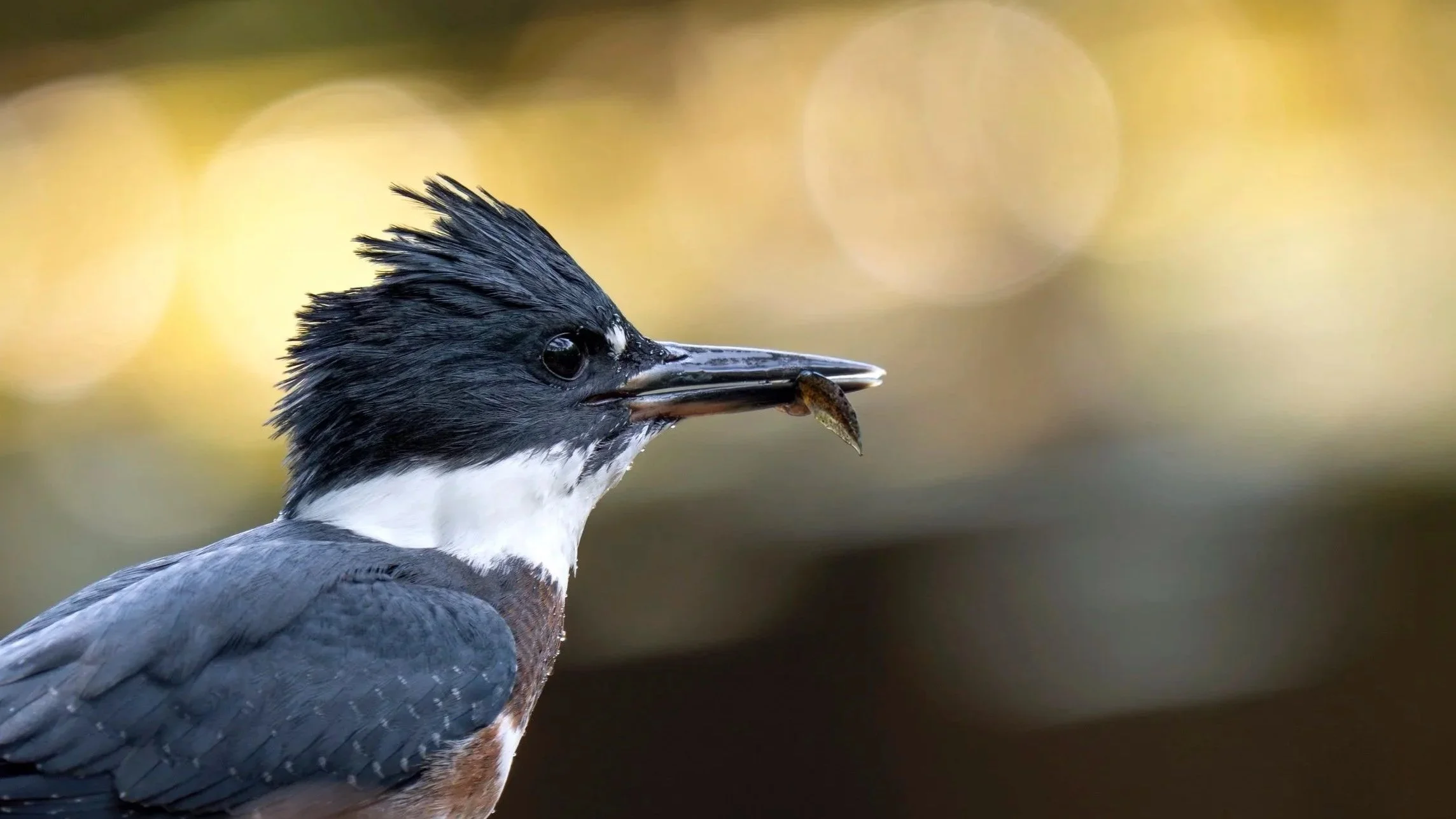
A Belted Kingfisher (Megaceryle alcyon) that I photographed at this pond the previous year. Note the tadpole in their bill, the same food source the solitary sandpiper was foraging for.
Don’t return looking for the same species. Return looking for the same ecological opportunity.
Recognize that August is a Time of Change
For many species, August is a time when they set out on their own for the first time away from their parents. August is also when species that migrate, may begin to search out different kinds of food sources to build fat reserves for long migrations and winter.
Because their needs are changing, what attracted wildlife earlier in the year may no longer be what attracts them now.
Wildlife will often be found around fruiting berries and trees. Grasses go to seed, offering food for finches, river banks offer foraging for migrating shorebirds, some of which are already beginning their migration in early August. This makes the exposed mud and shallow water increasingly important areas to check. Soon, trees such as oaks and beeches will be dropping their nuts offering yet another valuable food source for wildlife.
So if you are struggling with locating wildlife at the end of the summer. It may not be that the wildlife is less active, or has moved on, it could simply be that their behavior patterns, food sources, and motivations have changed.
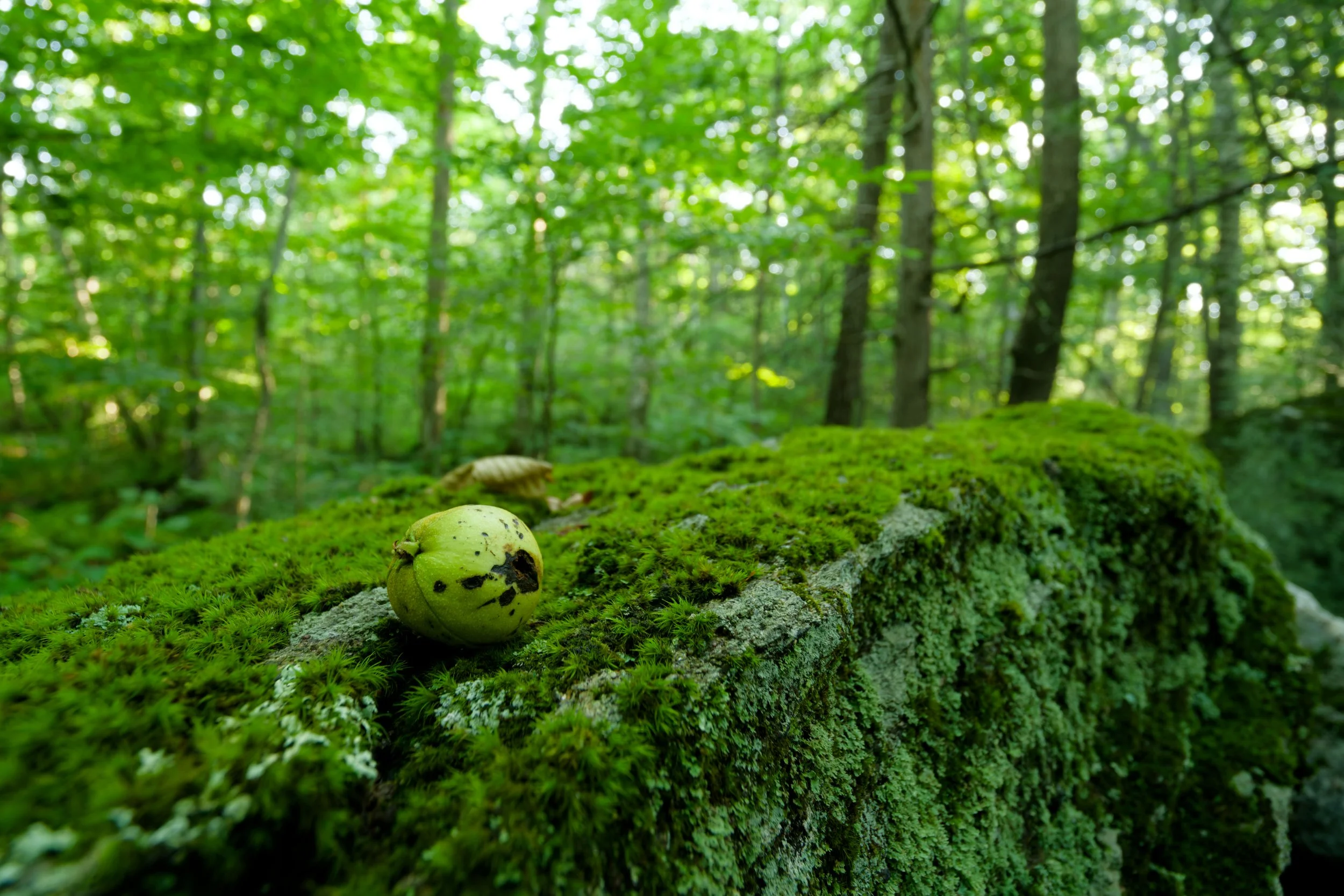
A hickory nut on the forest floor. This food source will become valuable in the coming months as wildlife prepare for winter.
August Challenge:
Next time you go out in the field, choose one location that you have successfully photographed in the past. Look through your images and previous notes if you have any and try to answer the questions:
What species did I find there?
What were they doing?
What habitat or food source attracted them?
Where was the best palace to position myself?
What has likely changed since the last time I was there?
Then go out in the field and see if your predictions are accurate.
By consistently doing this before each outing, you will start to recognize patterns of behavior, and this will help you know where the productive locations are to find and photograph wildlife. This makes you less reactionary, and more of a prepared photographer.