
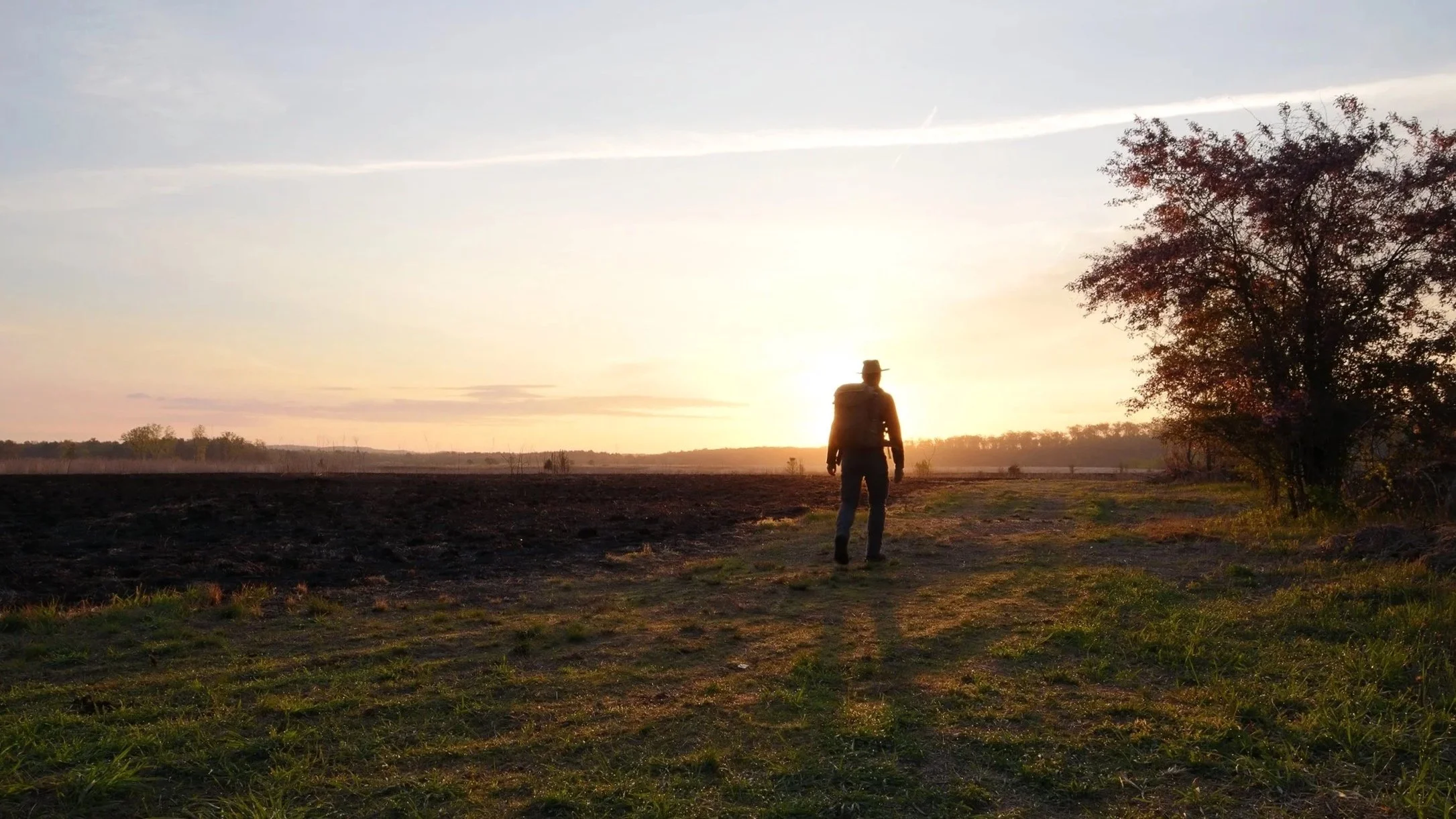
Bird Photography Field Experiences
These aren't simply walks where we look for birds and talk about camera settings. They're hands-on bird photography experiences focused on fieldcraft—learning how to read a habitat, understand why birds are there, recognize where they're likely to be, and find photographic opportunities more quickly.
We'll also work on composition, light, autofocus, camera settings, and ethical approaches to wildlife. But the goal is bigger than getting better photographs during the experience: it's learning how to find and photograph birds more confidently on your own.
Small groups. Real habitats. Practical instruction. Skills you can take into the field with you.
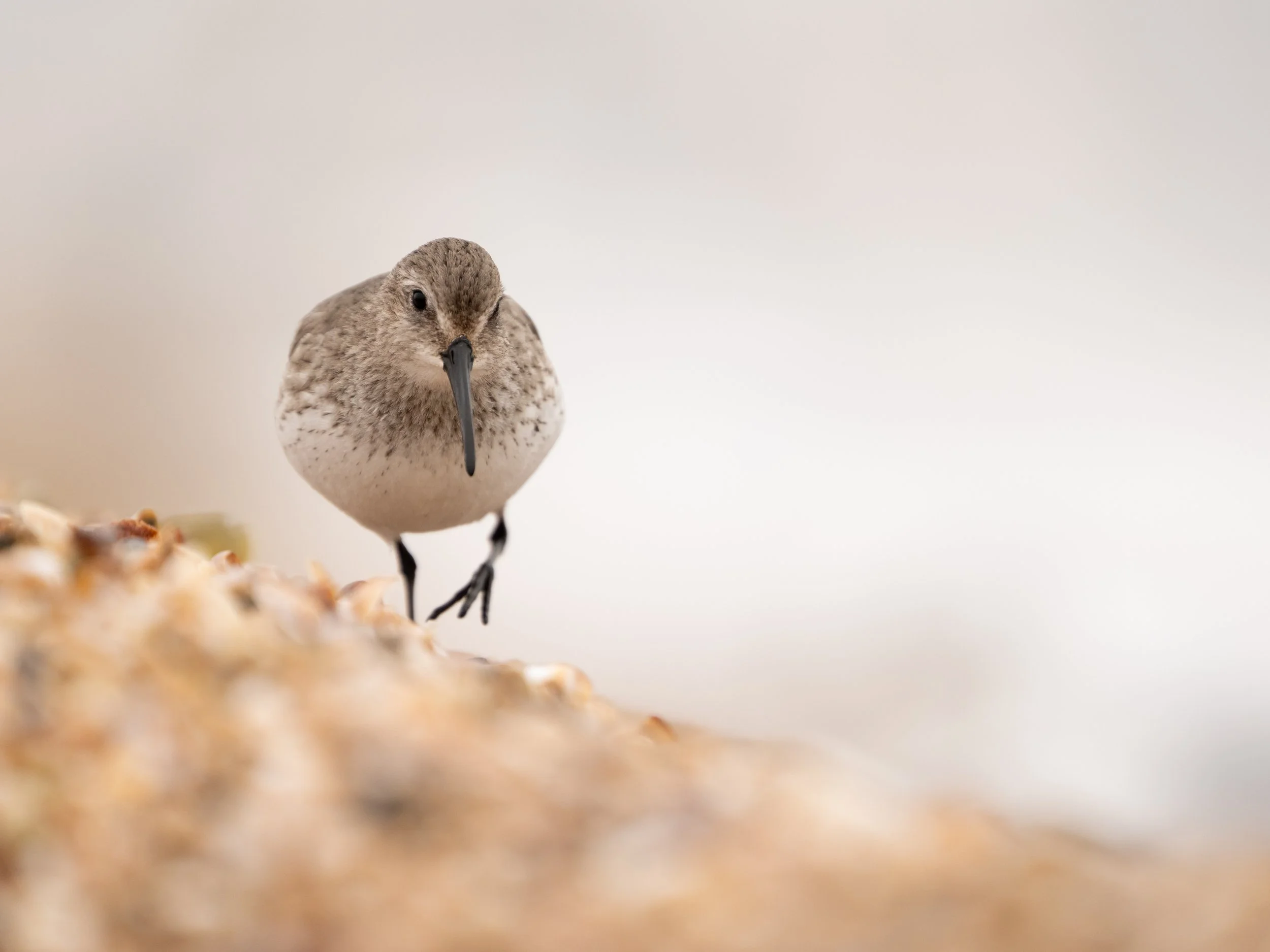
What You’ll Take Away
By the end of the experience, you'll have a better understanding of how to:
Read a habitat and recognize where birds are most likely to be found
Find birds more efficiently by understanding habitat, behavior, food sources, and movement patterns
Recognize photographic opportunities instead of simply waiting for a bird to appear
Build stronger compositions by using backgrounds, light, surroundings, and the bird's behavior to your advantage
Adjust your approach when conditions change, rather than relying on perfect light or cooperative subjects
Use your camera more confidently with practical guidance on autofocus, settings, and exposure when you need it
Approach and photograph wildlife ethically while minimizing disturbance
Take the fieldcraft with you so you can apply what you've learned the next time you go out on your own
These experiences are intentionally kept small so you have plenty of opportunity to ask questions, work through challenges in the field, and receive individual guidance when needed.
The goal isn't just to photograph more birds during the experience. It's to leave knowing how to find better opportunities and make better photographs the next time you're in the field.
Who These Walks Are For?
Bird enthusiasts looking to improve their bird identification and field skills.
Nature lovers who want to better understand wildlife and the habitats they depend on.
Wildlife photographers seeking practical, in-the-field instruction and guidance.
Beginners wanting to build confidence finding and observing birds.
Intermediate photographers looking to improve their fieldcraft, composition, and wildlife photography techniques.
Anyone who enjoys learning in a relaxed, small-group outdoor setting.
Bring your binoculars, camera, or simply your curiosity—these experiences are designed for all skill levels.
What Participants are Saying
Upcoming Walks
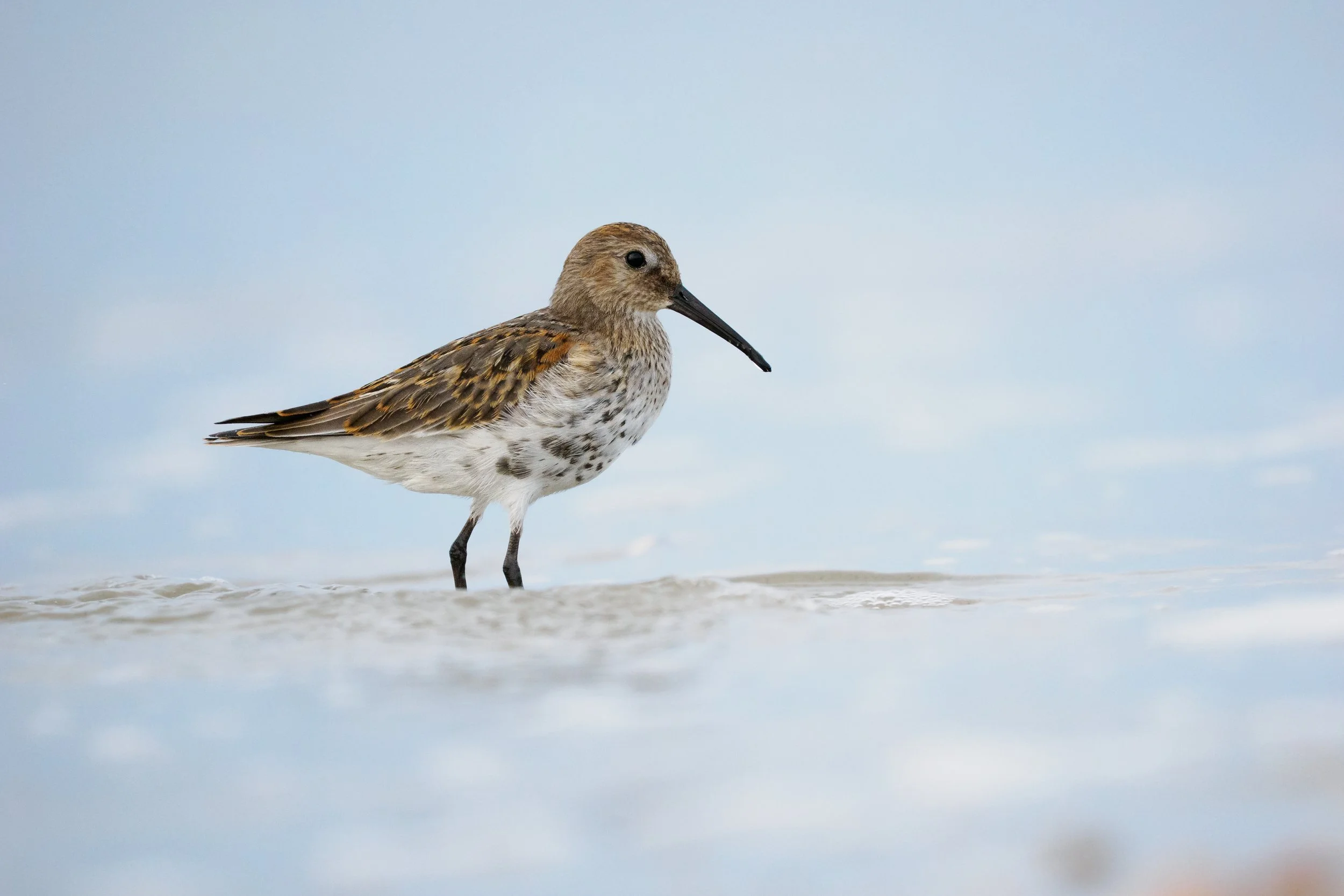
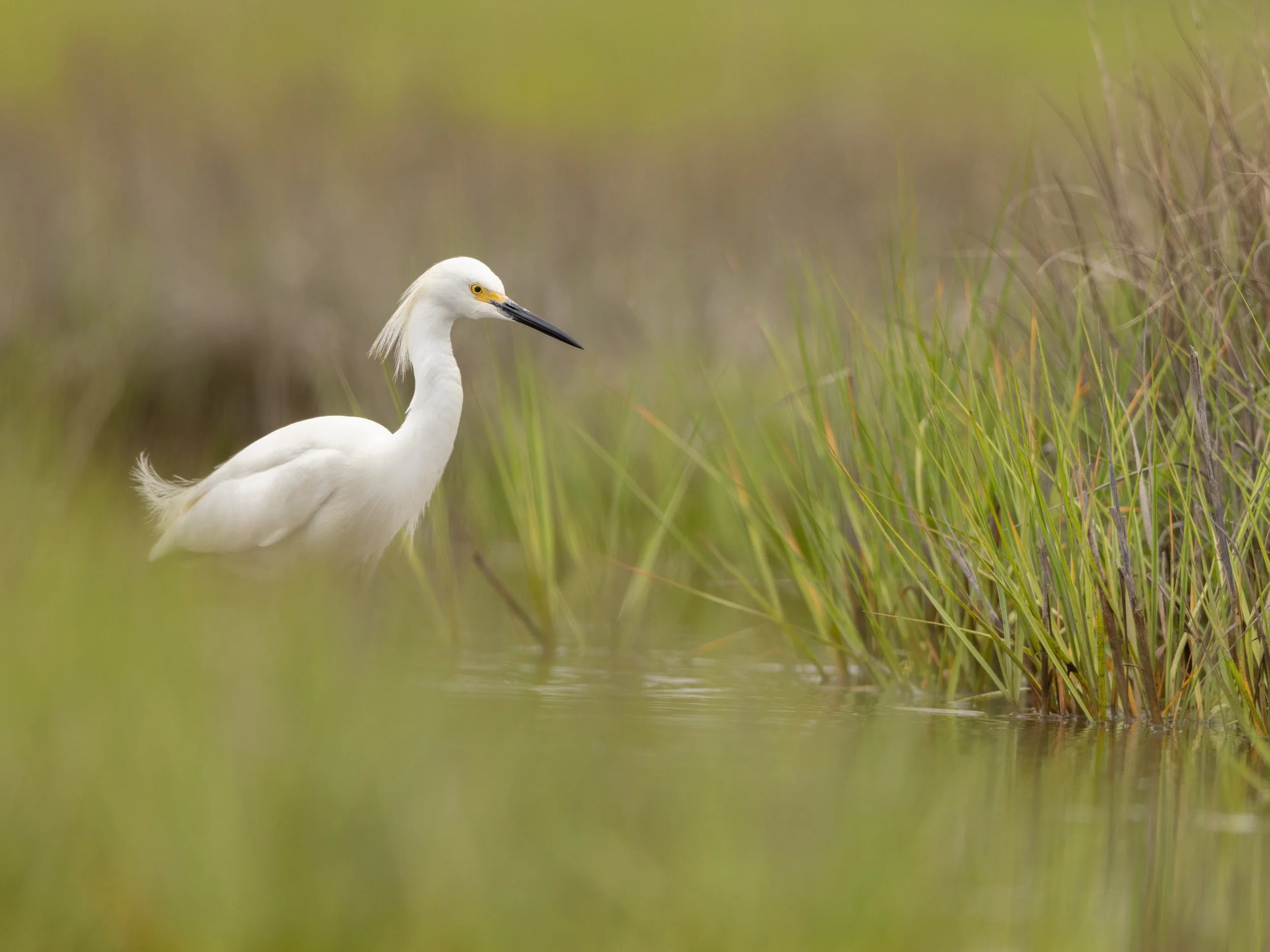
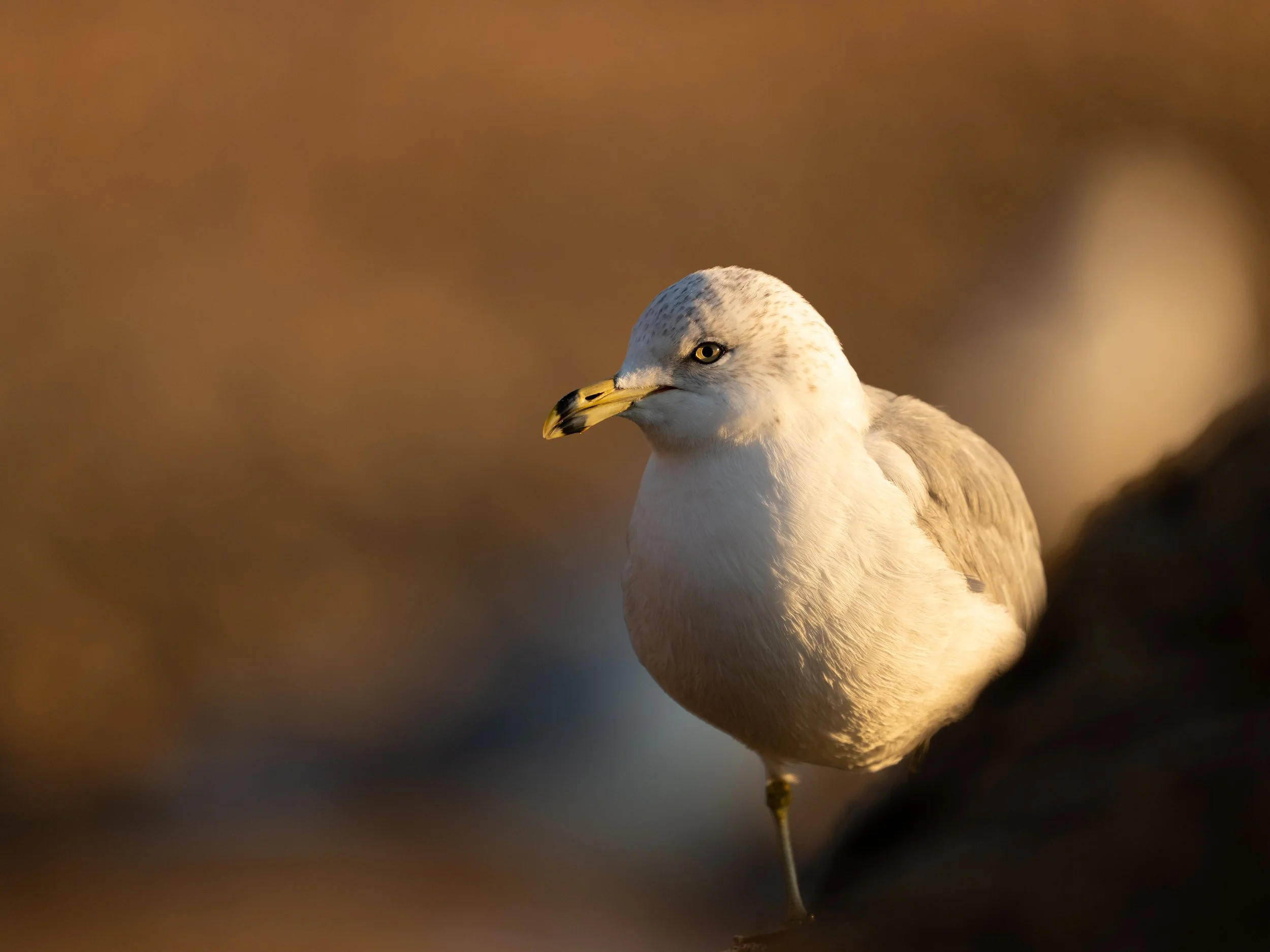
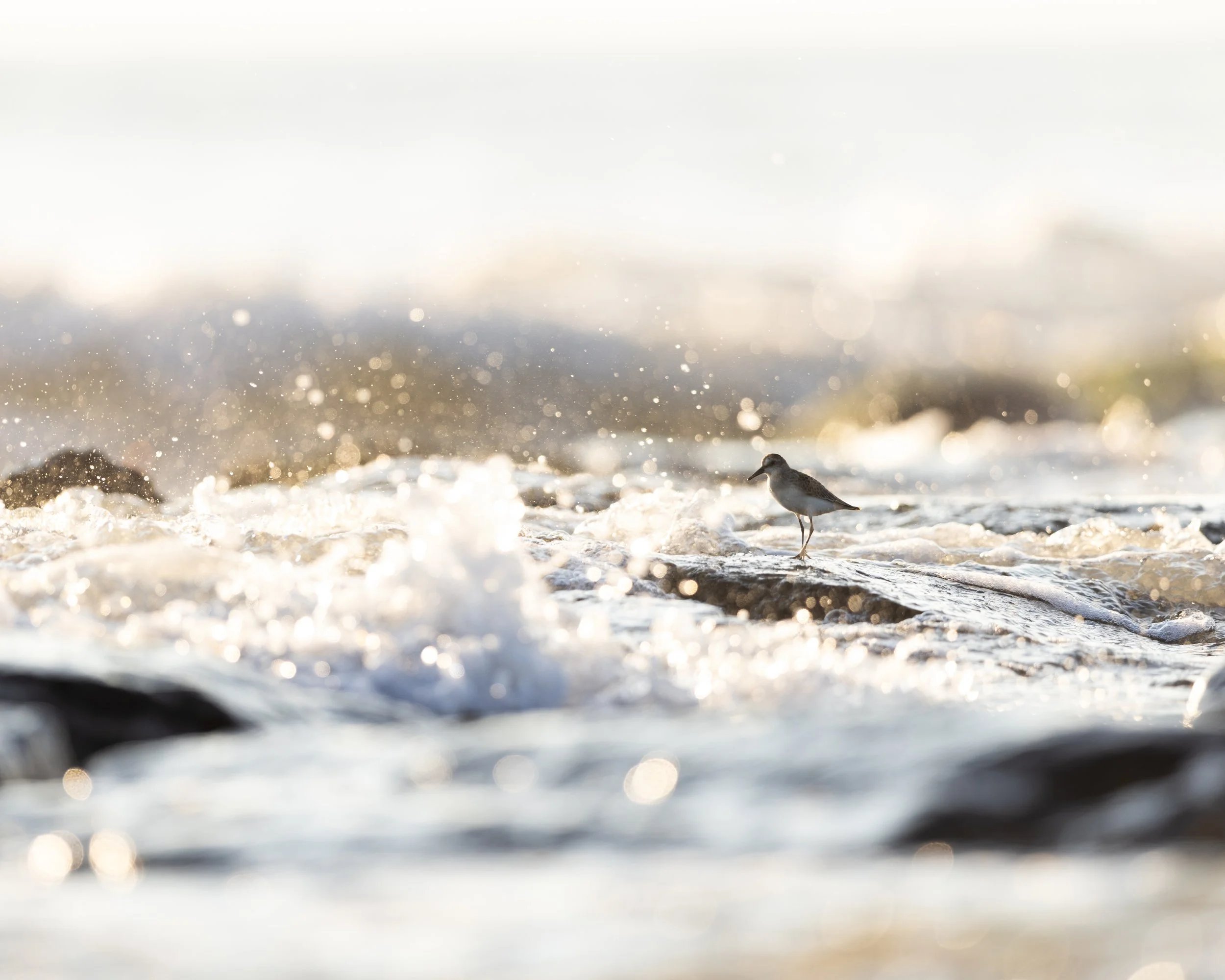
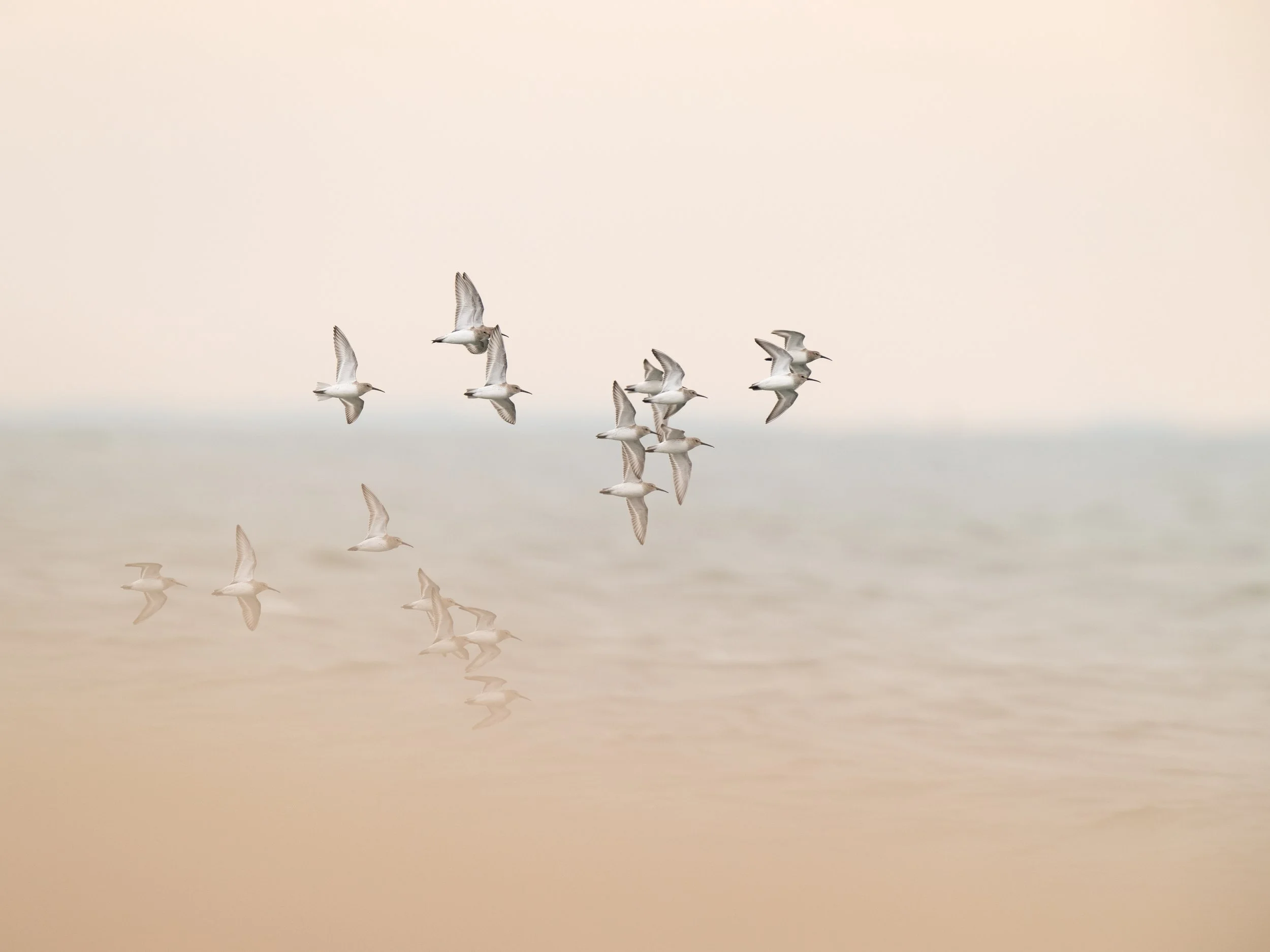
Sunset Grassland Bird Photography Experience -
Rescheduled October 3rd
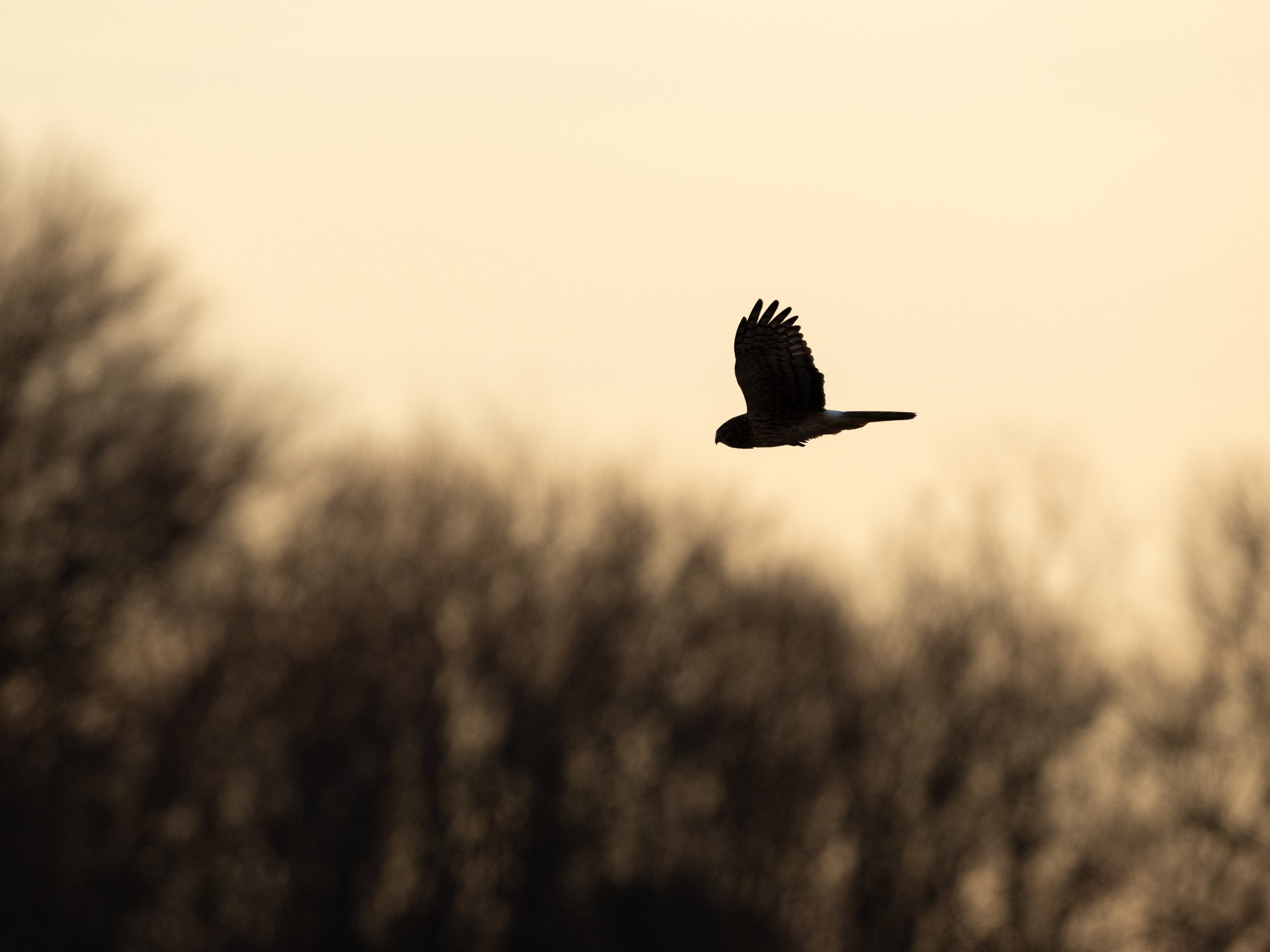
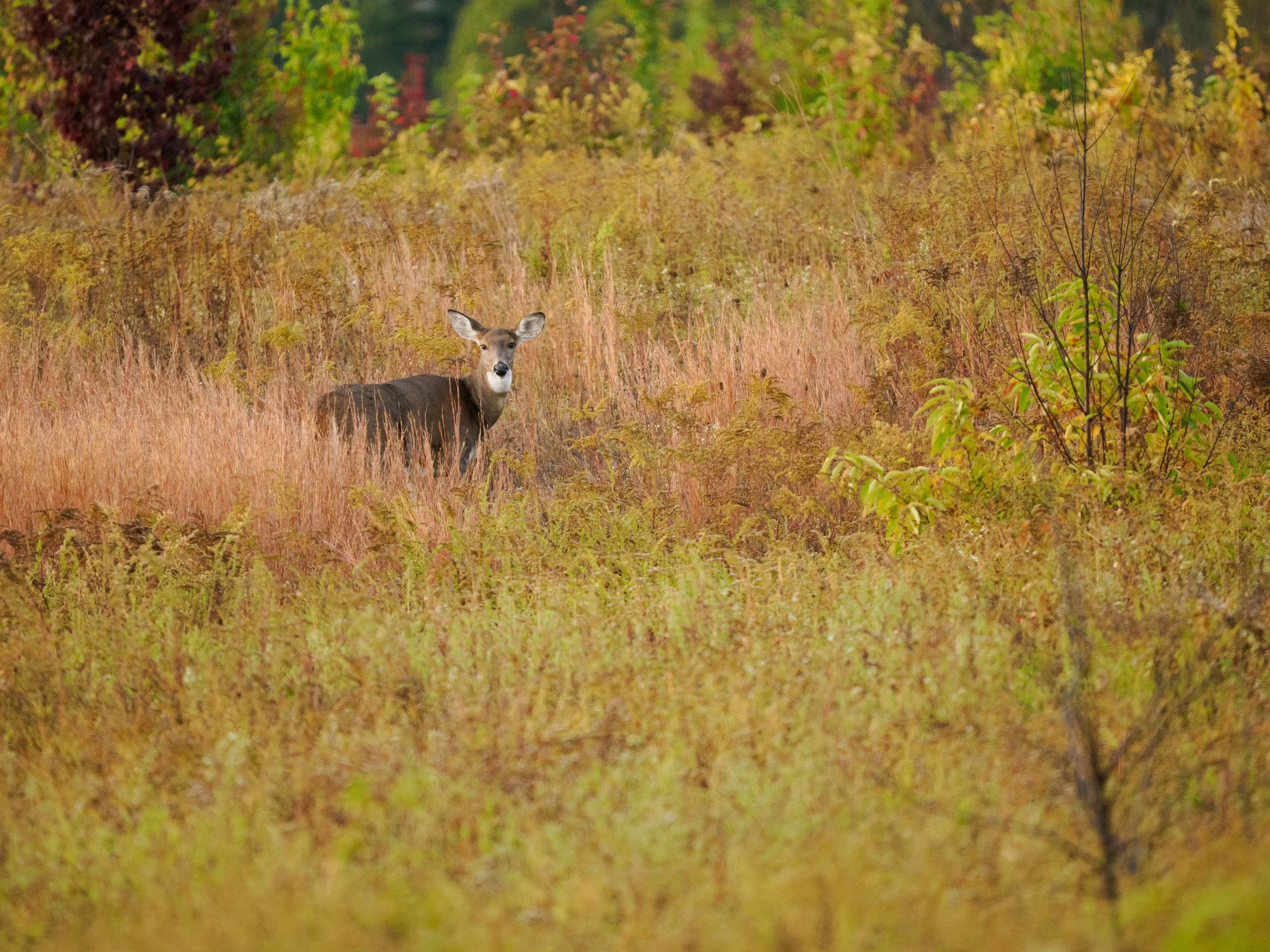
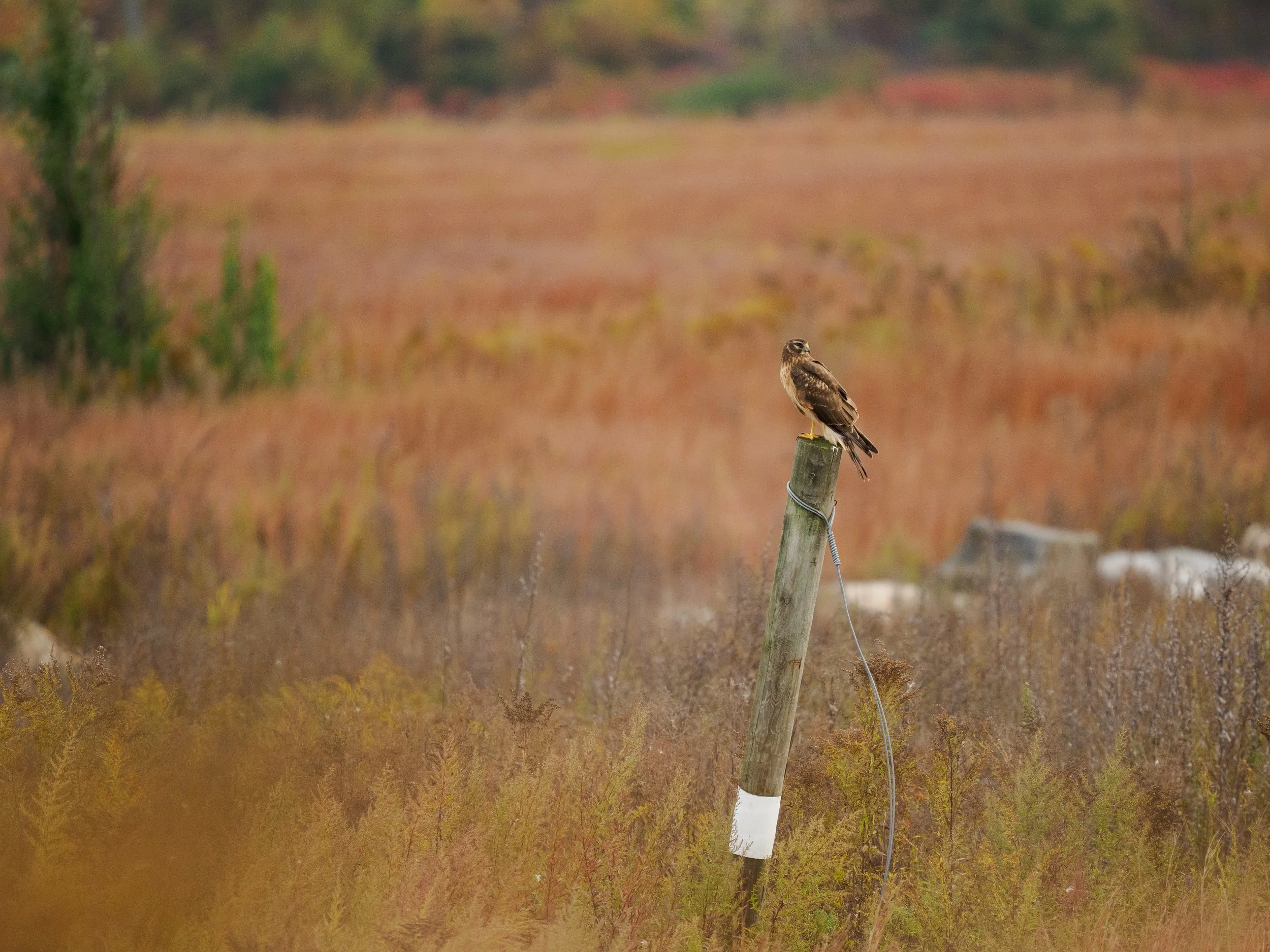
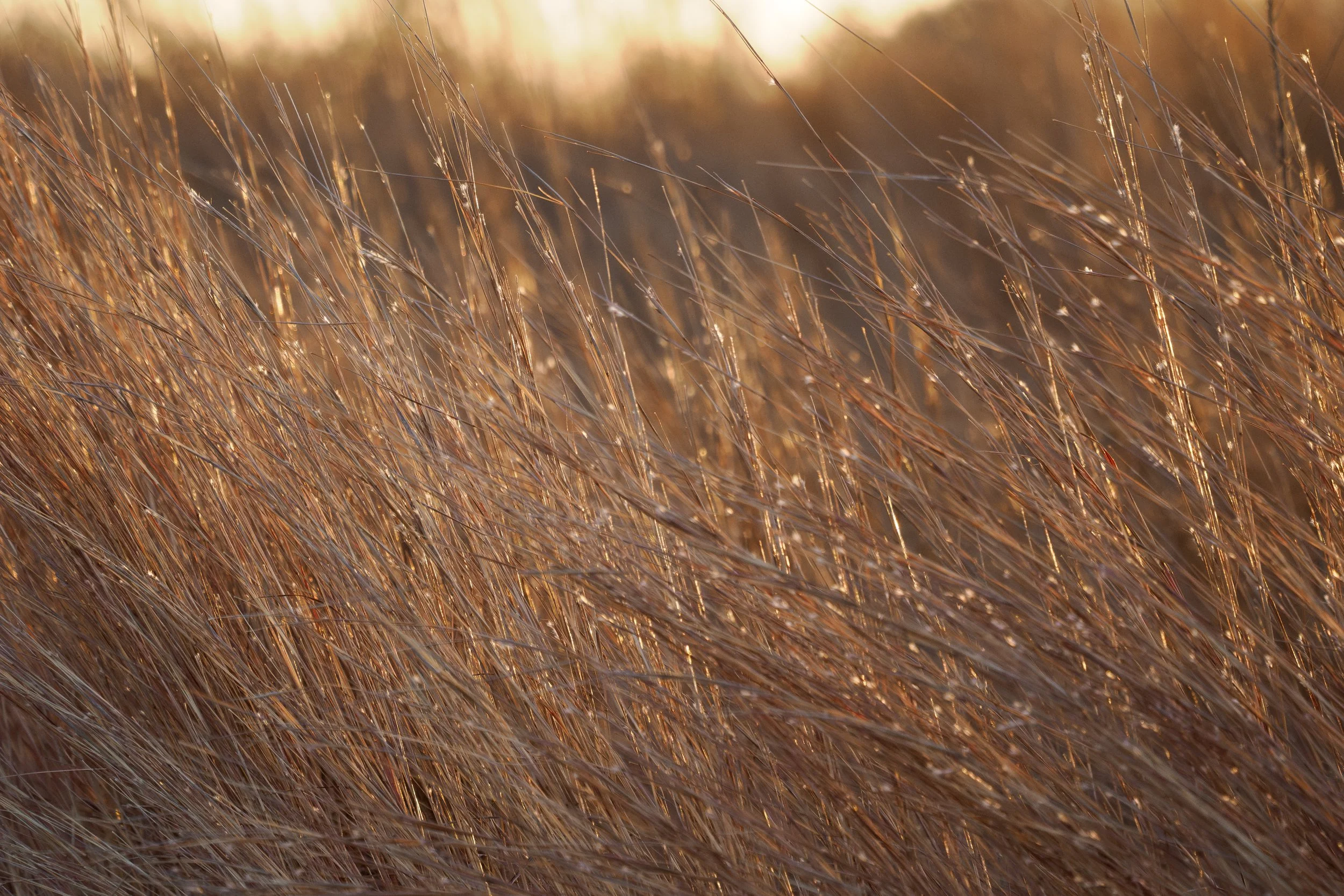
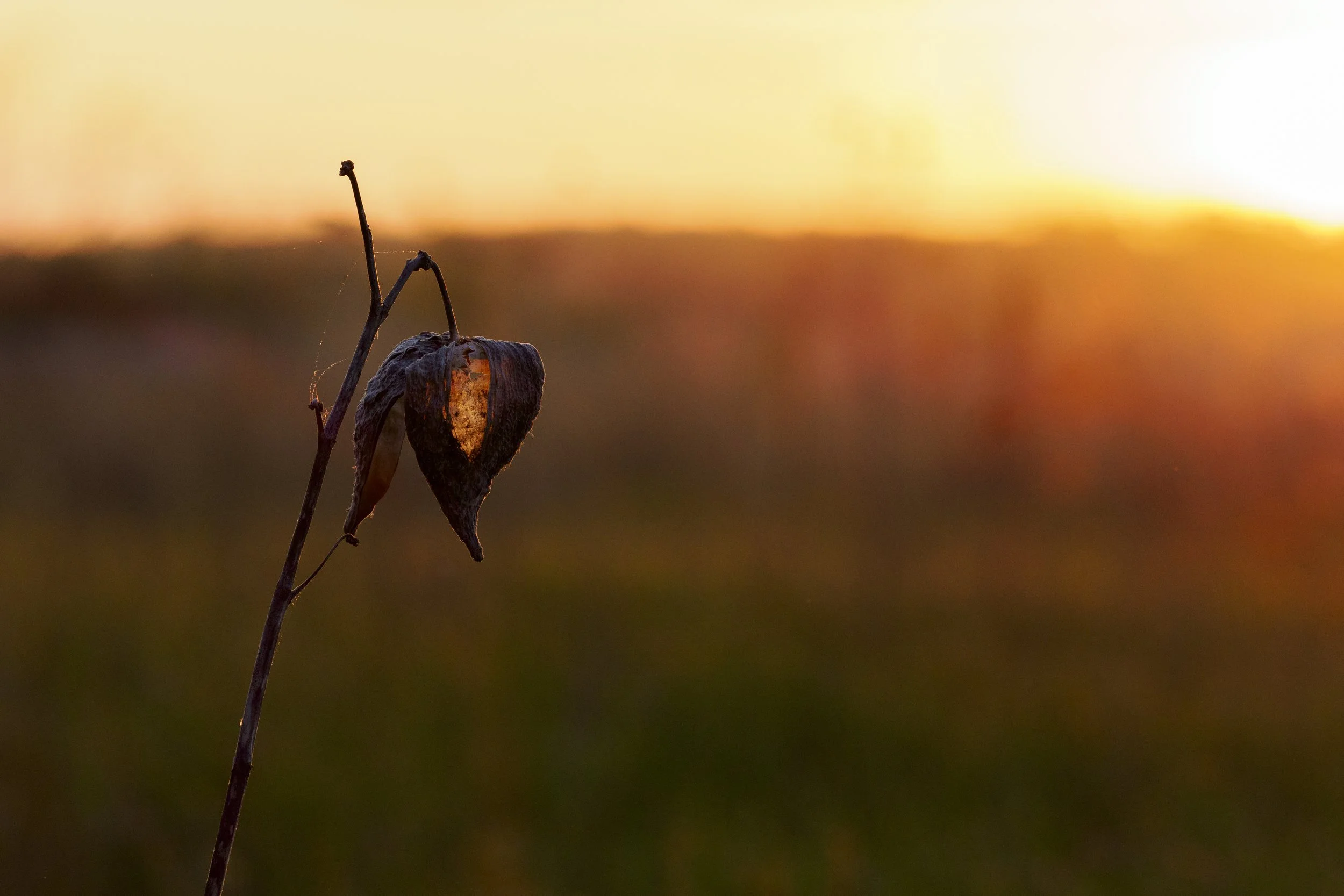
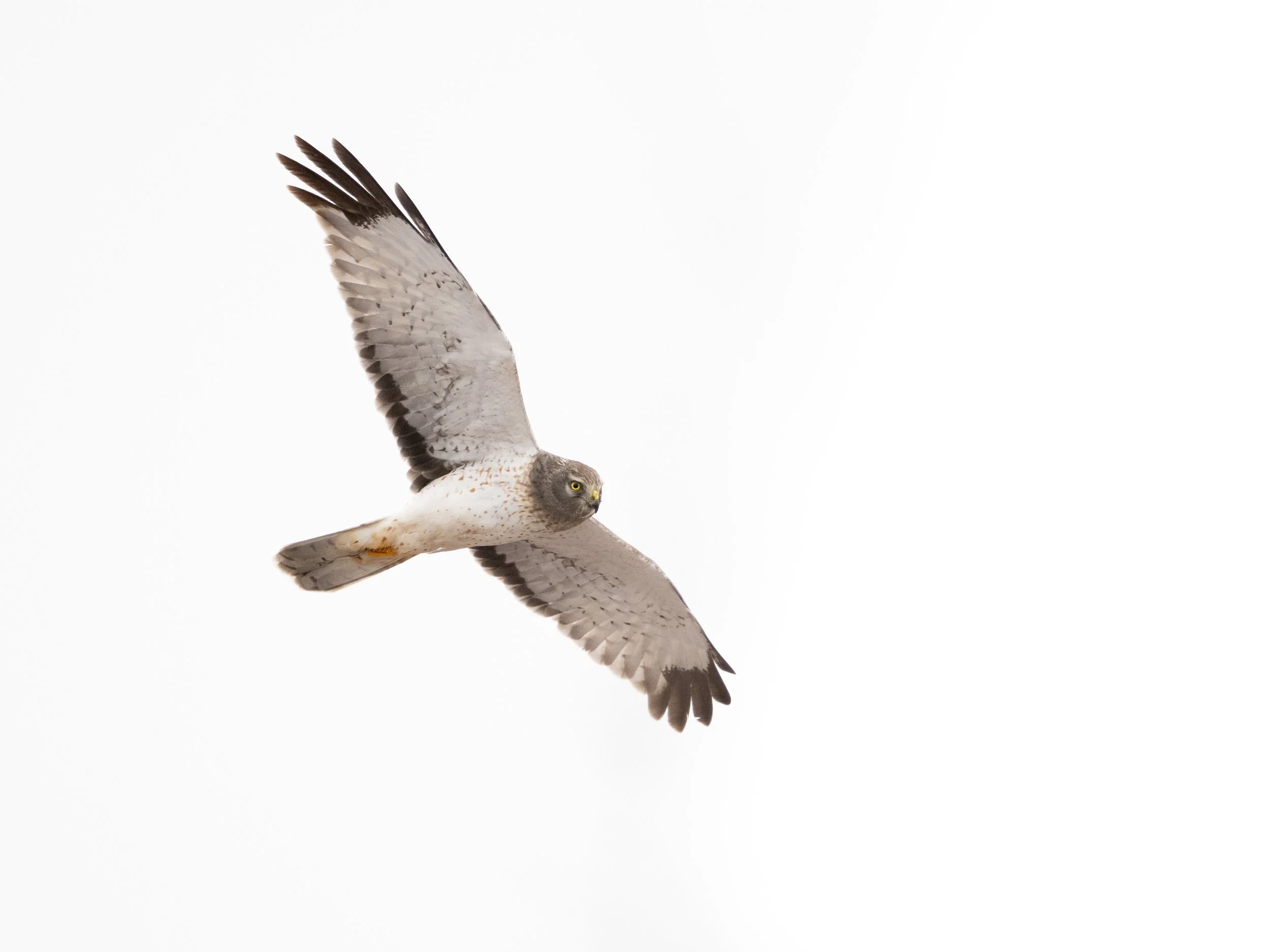
Experience the golden light over the grassland habitat. September is a great time when migrating and over wintering birds are moving through the area. Northern Harriers are often busy hunting during the last light of the day offering amazing opportunities to witness and photograph their unique flight patterns.
Details
Duration: Approximately 3 hours
Time: 4:00 PM – 7:00 PM
Group Size: Limited to 4 participants
Location: Suffield/ Southwick Wildlife Management Area, Suffield, CT
Exact meeting location provided upon booking
Skill Level: Beginner to Intermediate
Please note:
Trails are flat and beginner friendly
There are no restroom facilities onsite
Walks are rain or shine, except in extreme weather circumstances
(See weather and cancellation policy below)
Pricing
$49 - $89 Per Person
What You’ll experience:
Learn proven field techniques for locating wildlife.
Improve your bird photography with personalized in-field instruction.
Build confidence identifying birds by sight, sound, behavior, and habitat.
Discover how different habitats support wildlife and why birds use them.
Enjoy a relaxed small-group experience with plenty of opportunities for questions and individual guidance.
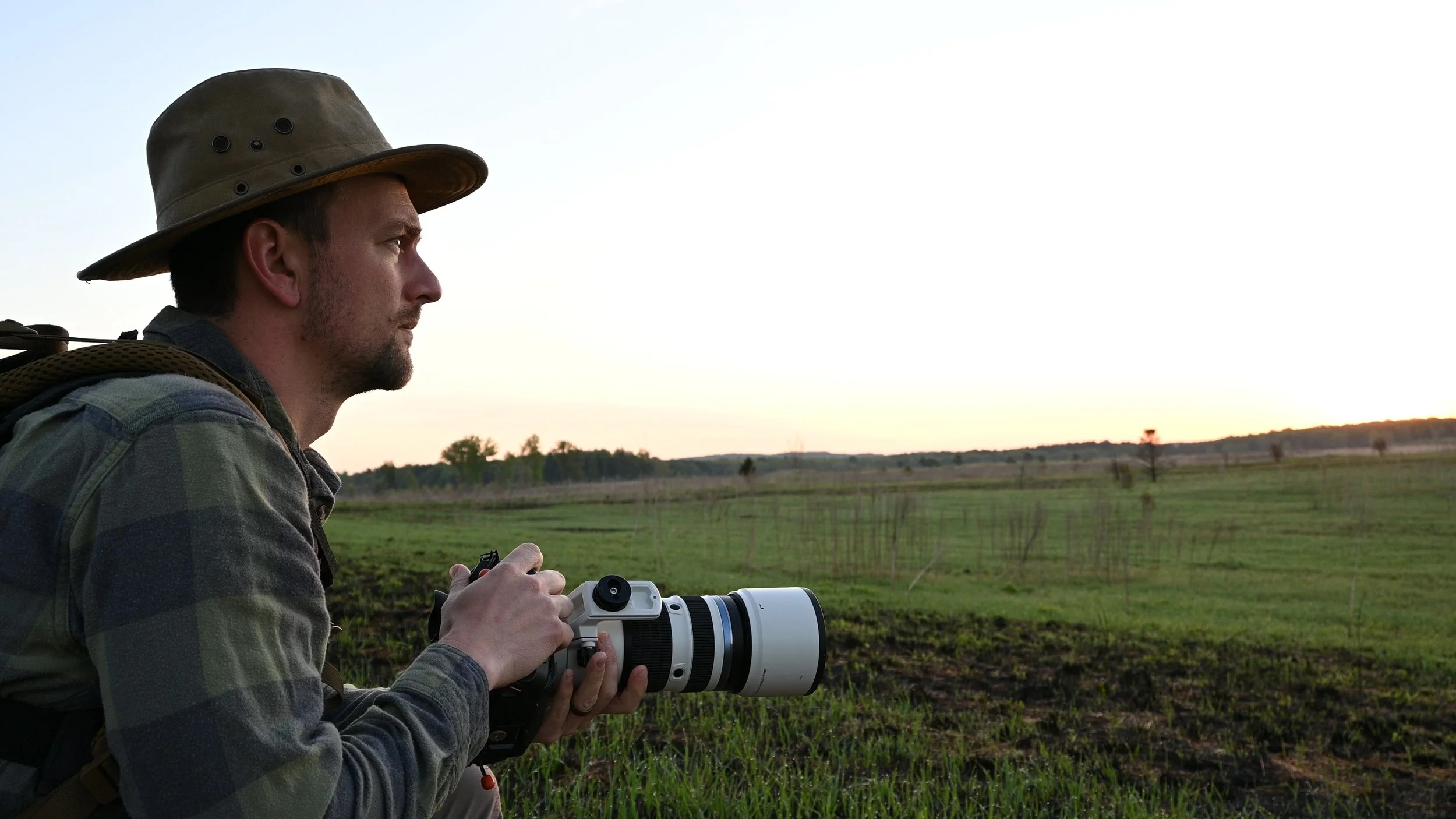
Led by a former forest ranger, and professional wildlife photographer Todd DeWald, each experience combines birding, ecology, and photography in the field.
Weather/Cancelation Policy
Walks take place in light rain or overcast conditions. In the event of severe weather (heavy rain, thunderstorms, high winds, or unsafe conditions), the walk will be canceled and participants may transfer to another walk or receive a full refund.
Because group sizes are limited, cancellations within 72 hours of the event are non-refundable unless the spot can be filled.
Field experiences require a minimum of two participants to be run. In the event two participants do not book a walk, those registered will have the option of transferring to a future walk, or a full refund.
Those registered will be notified via e-mail of any cancelations.
Book Your Session
Walk starts 4:00 PM (approximately 3 hours)
Experience the golden hues of sunset over the grasslands of Connecticut and Massachusetts. Designed for wildlife photographers and bird enthusiasts, this small-group field experience focuses on finding and photographing grassland birds while learning the fieldcraft behind successful wildlife photography. All while taking in the beautiful light of sunset.
You'll discover how to anticipate bird behavior, work with changing light, choose stronger compositions, and position yourself for natural images—all while exploring a highly productive habitat. Limited to just 4 participants to provide personalized instruction throughout the morning.
This walk is designed to have a slower pace to allow time to build compositions. Participants are encouraged to bring a small stool or sitting mat. It is expected that Northern Harriers will be back in the area, and the best way to photograph them is to sit and wait!
Leave with more than a species list—leave with the knowledge and confidence to find wildlife on your own.
Minimum of two participants for session to run. If the minimum number of participants is not reached, those registered will be able to transfer to another walk, have option to choose private session at updated rate, or get full refund.
Walk starts 4:00 PM (approximately 3 hours)
Experience the golden hues of sunset over the grasslands of Connecticut and Massachusetts. Designed for wildlife photographers and bird enthusiasts, this small-group field experience focuses on finding and photographing grassland birds while learning the fieldcraft behind successful wildlife photography. All while taking in the beautiful light of sunset.
You'll discover how to anticipate bird behavior, work with changing light, choose stronger compositions, and position yourself for natural images—all while exploring a highly productive habitat. Limited to just 4 participants to provide personalized instruction throughout the morning.
This walk is designed to have a slower pace to allow time to build compositions. Participants are encouraged to bring a small stool or sitting mat. It is expected that Northern Harriers will be back in the area, and the best way to photograph them is to sit and wait!
Leave with more than a species list—leave with the knowledge and confidence to find wildlife on your own.
Minimum of two participants for session to run. If the minimum number of participants is not reached, those registered will be able to transfer to another walk, have option to choose private session at updated rate, or get full refund.
Past Trip Reports
-
Participants: 6
Weather: 73°F, calm, sunnySpecies Observed
Common Yellowthroat
Indigo Bunting
Tree Swallow
Barn Swallow
Grasshopper Sparrow
Song Sparrow
Field Sparrow
Northern Mockingbird
Eastern Towhee
Orchard Oriole
Mourning Dove
American Goldfinch
Trip Highlights
Today's walk focused less on simply finding birds and more on learning how to locate them on your own in grassland habitats.
We encountered Indigo Buntings almost immediately after leaving the parking area, while Tree and Barn Swallows filled the skies overhead. One particularly cooperative Common Yellowthroat gave everyone excellent views as it perched out in the open along the trail.
Throughout the morning we discussed how habitat, bird vocalizations, and behavior can be used to predict where birds are likely to appear. We also spent time talking about one of the most overlooked wildlife photography techniques—finding promising locations and patiently allowing birds to come to you rather than constantly chasing them.
One highlight was visiting an area where Grasshopper Sparrows have nested this summer. Although they remained hidden in the tall grasses, their distinctive insect-like song could be heard. We discussed how this species depends on large, open fields for survival, and why their numbers are in decline across the region.
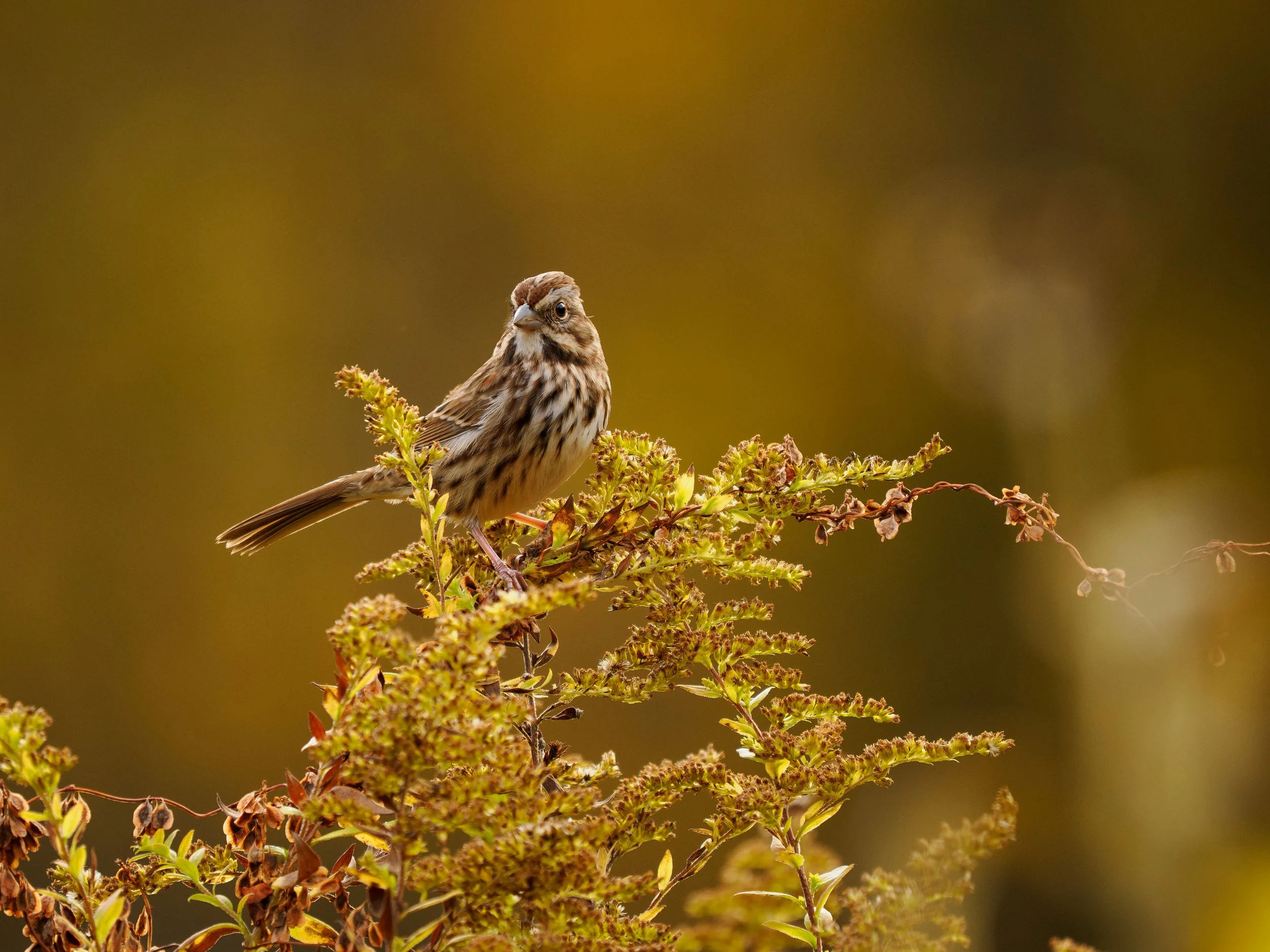
As we continued through the grasslands, we found several sparrow species, Eastern Towhees, Orchard Orioles, Northern Mockingbirds, and American Goldfinches while discussing how blooming wildflowers can be used to create stronger wildlife photographs.
Every walk is different, and this morning was a great reminder that learning to read the landscape is often more valuable than simply adding another species to your life list.
What We Learned
Reading grassland habitat to locate birds
Using bird songs to narrow down locations
Why patience often beats chasing birds
Using wildflowers to improve bird photographs
Understanding habitat preferences to find wildlife more consistently
Participant Images
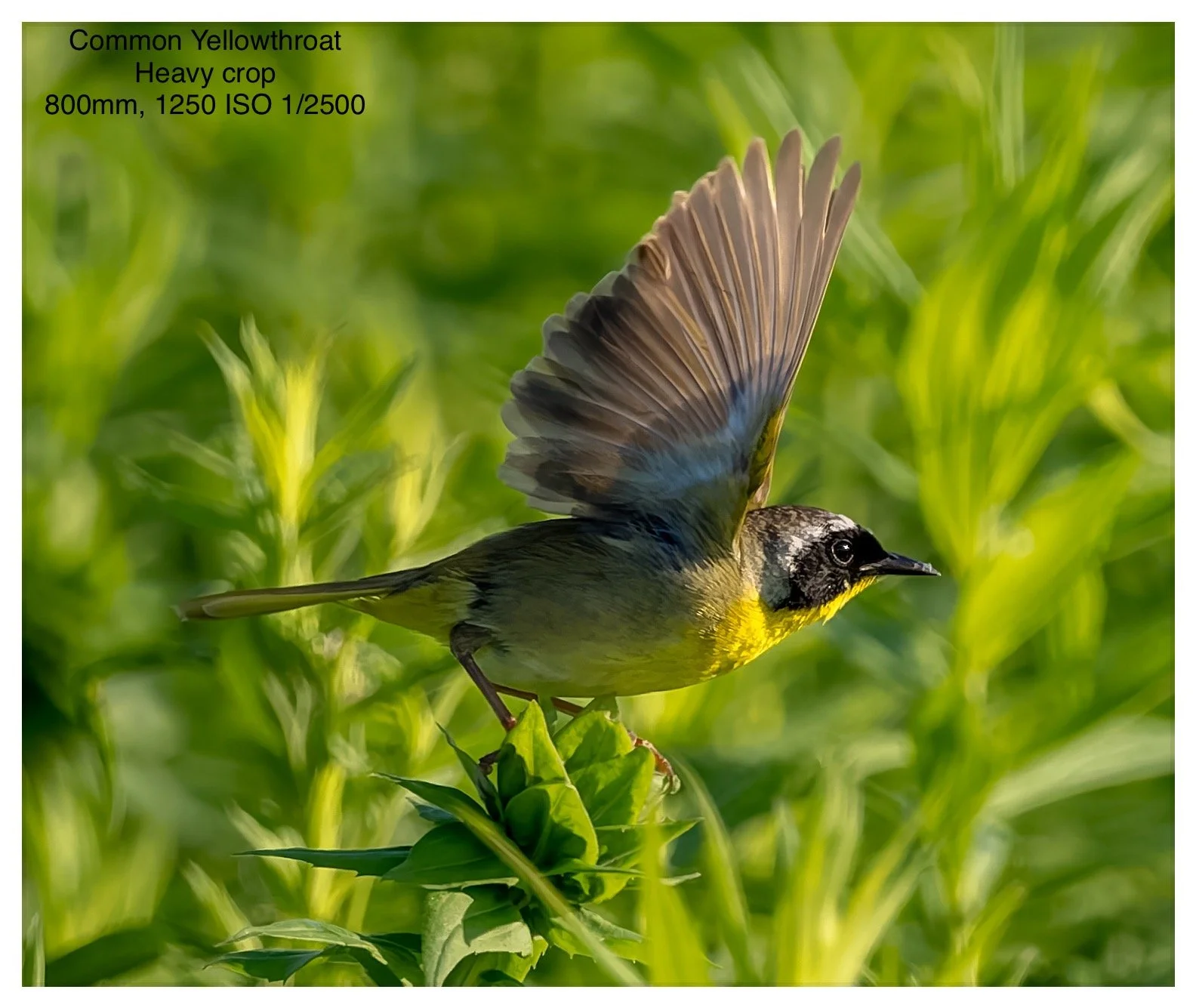
Photo Credit: Brain R.
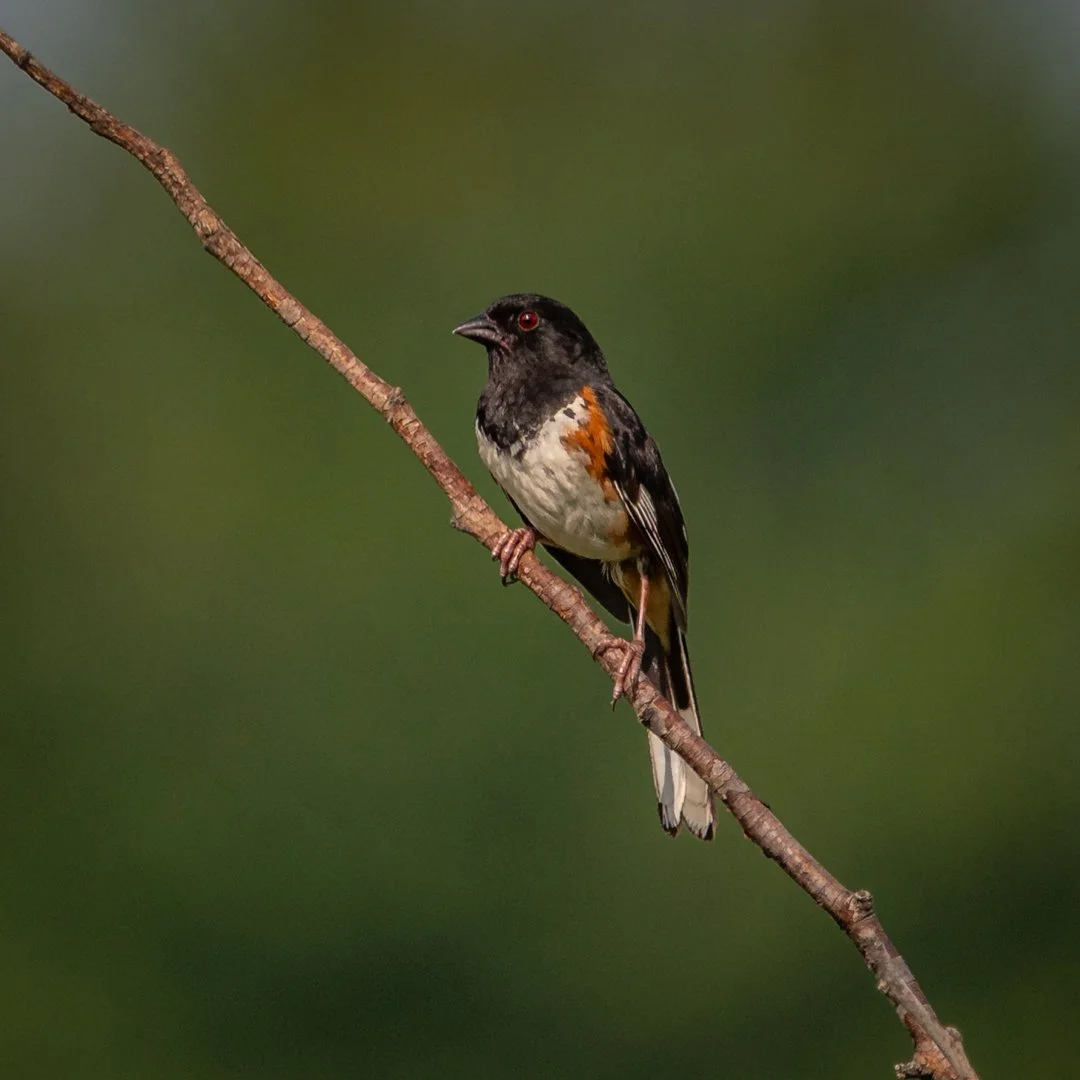
Photo Credit: Larry S.