
Spring Black Bear Photography Workshop
Spend two days learning how to find, observe, and photograph black bears while developing the field skills needed to repeat the process on your own.
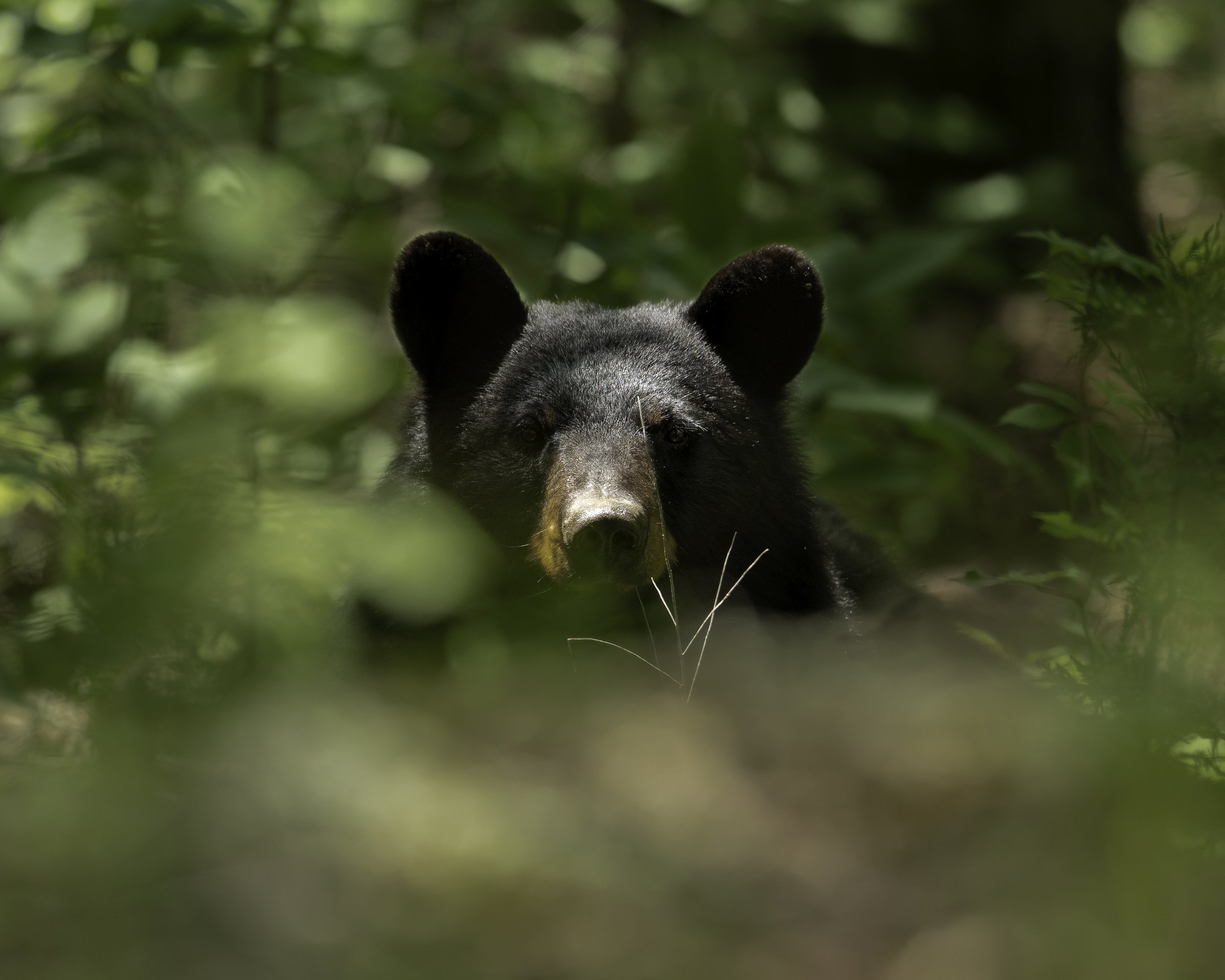
This workshop is designed for photographers who want to move beyond simply hoping to see wildlife and instead learn how to consistently find and photograph animals in natural conditions.
Rather than focusing on basic camera settings, the emphasis is on understanding black bear behavior, how spring habitat influences movement, and how to position yourself in the field to create real photographic opportunities.
Because this is a private 1-on-1 workshop, the experience is fully tailored to you — allowing for a more focused, immersive, and practical approach to wildlife photography.
Private 1-on-1 • Limited Spring Dates • Early Booking Pricing Available
What makes this workshop different:
Most guided wildlife sessions are built around bringing you to a location and hoping wildlife appears. While that can lead to great moments, it often doesn’t teach you how to repeat the experience on your own.
This workshop is built differently.
The focus is on understanding how black bears use habitat in early spring, how to recognize movement patterns, and how to position yourself in a way that creates real photographic opportunities. You won’t just be following along — you’ll be learning how to make these decisions yourself in the field.
This workshop is also based on current bear activity, not guesswork. Trail cameras are used to monitor movement patterns leading up to each workshop date, allowing us to focus on areas with recent activity.
In addition, all encounters take place with wild, free-ranging black bears. No baiting or artificial attraction methods are used. The bears are behaving naturally within their environment, which leads to more authentic photographic opportunities and a more meaningful learning experience.
Private 1-on-1 instruction
Focused on repeatable field skills
Built specifically for wildlife photographers
Designed to help you work independently after the workshop
Recent Bear Activity
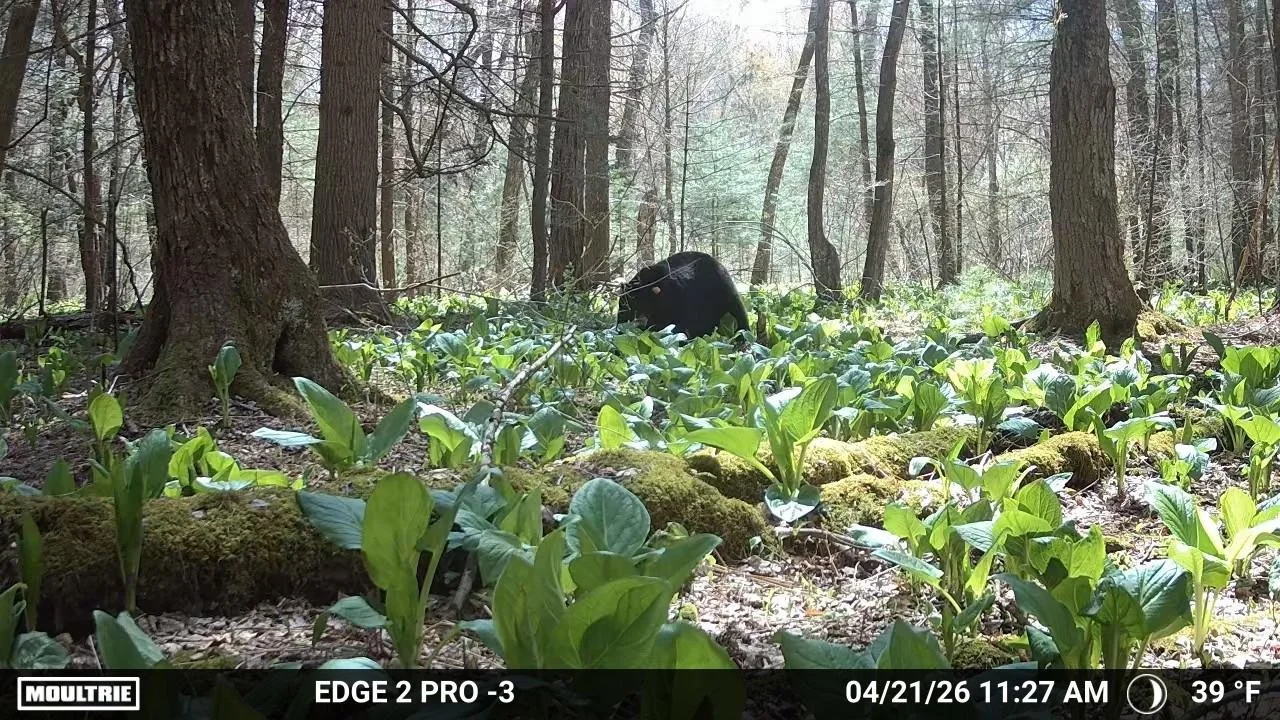
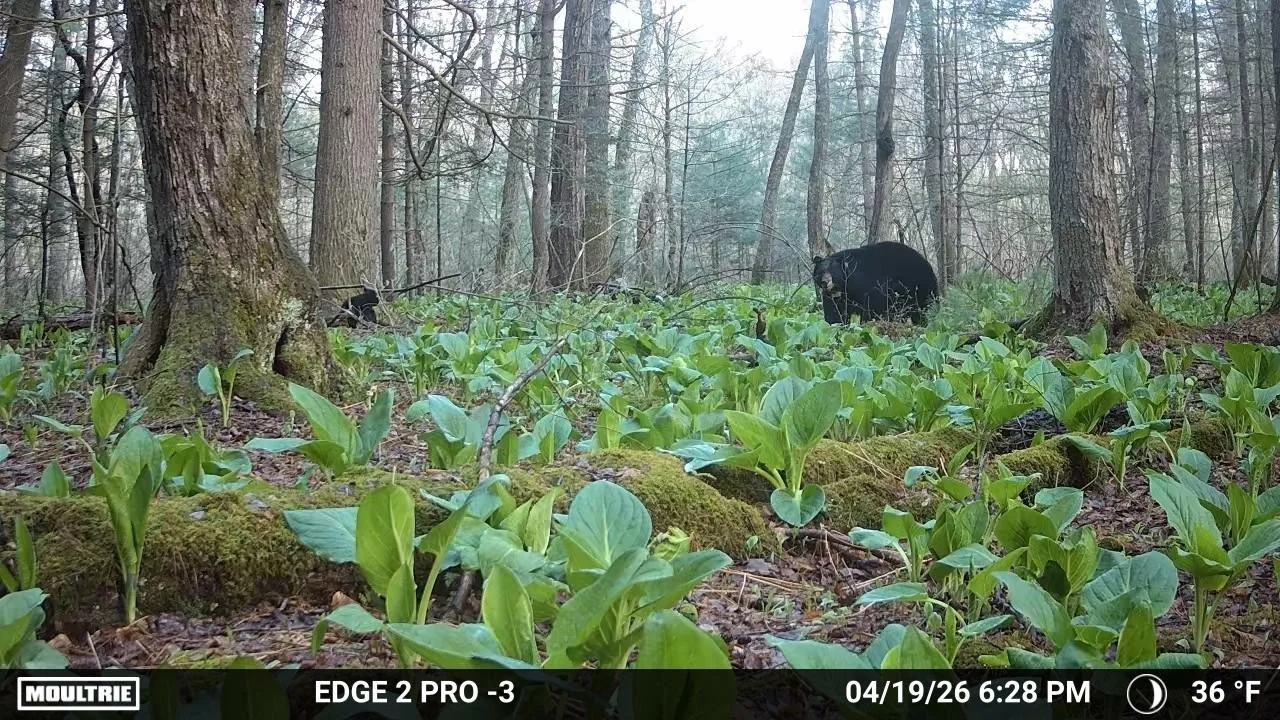
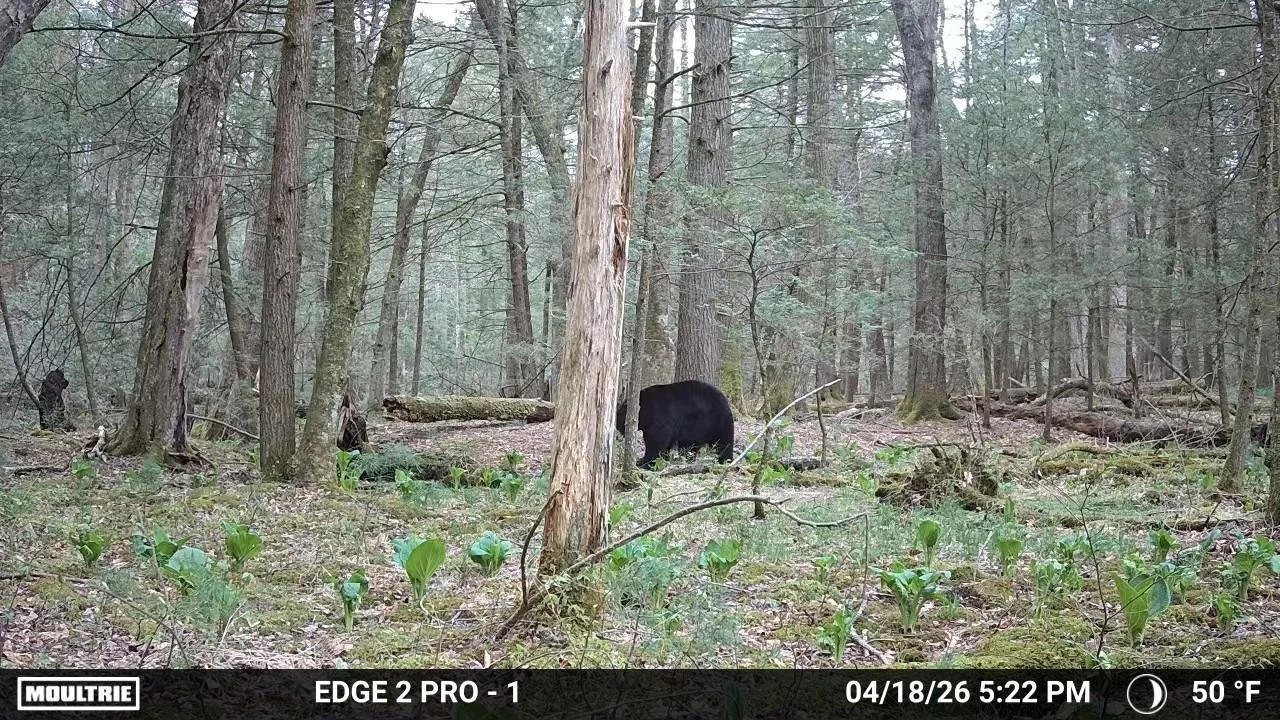
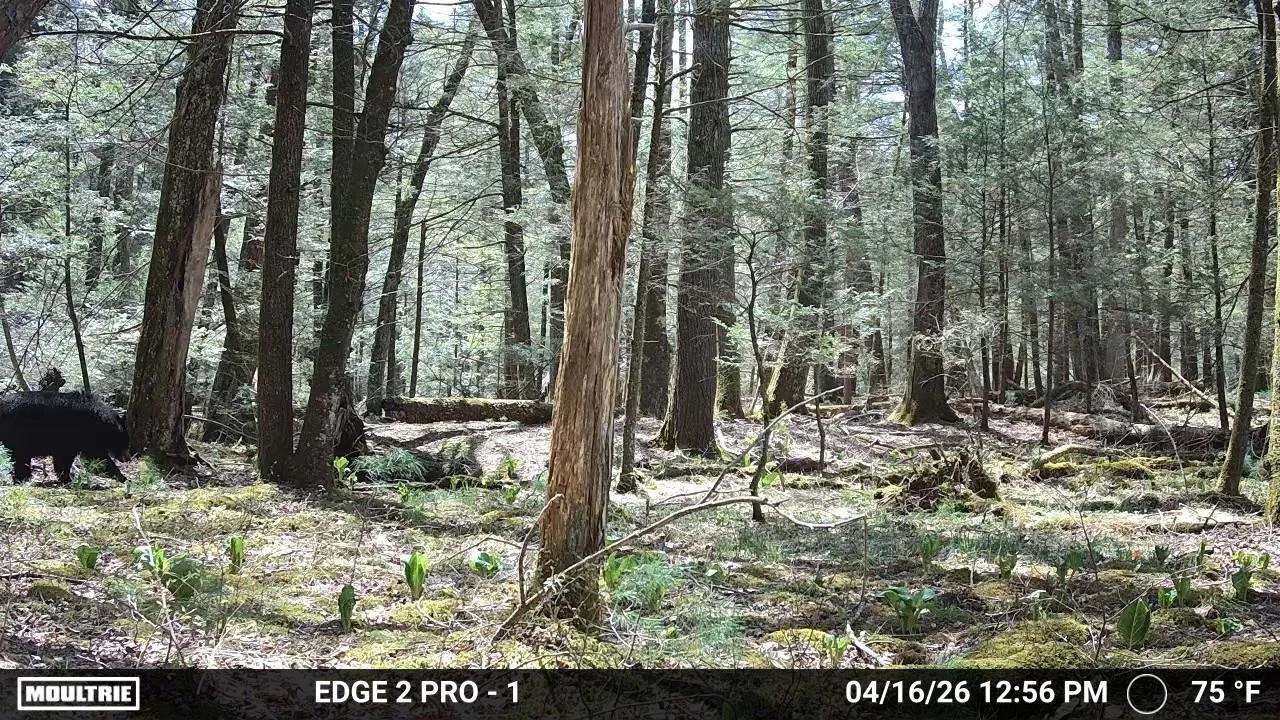
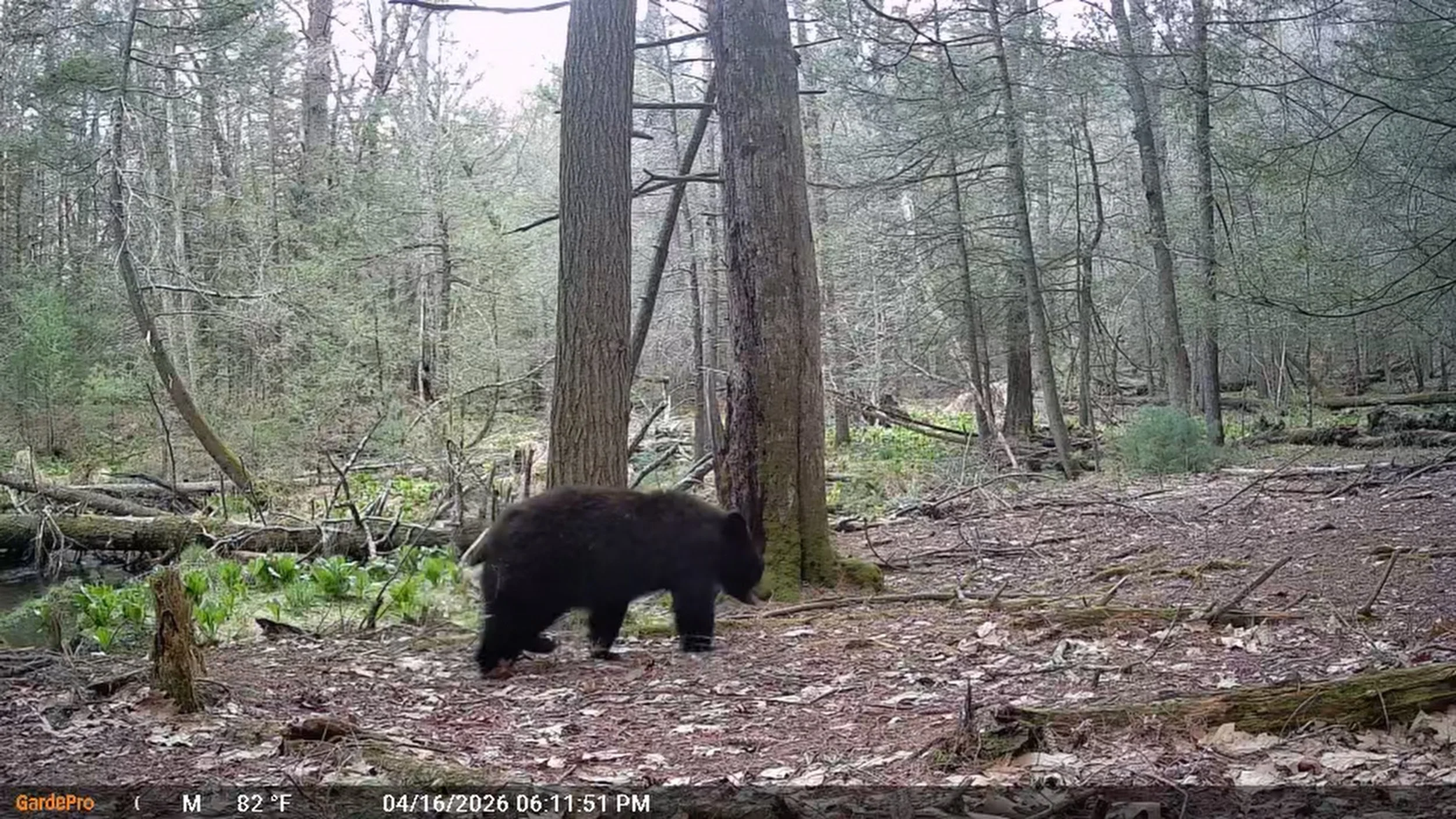
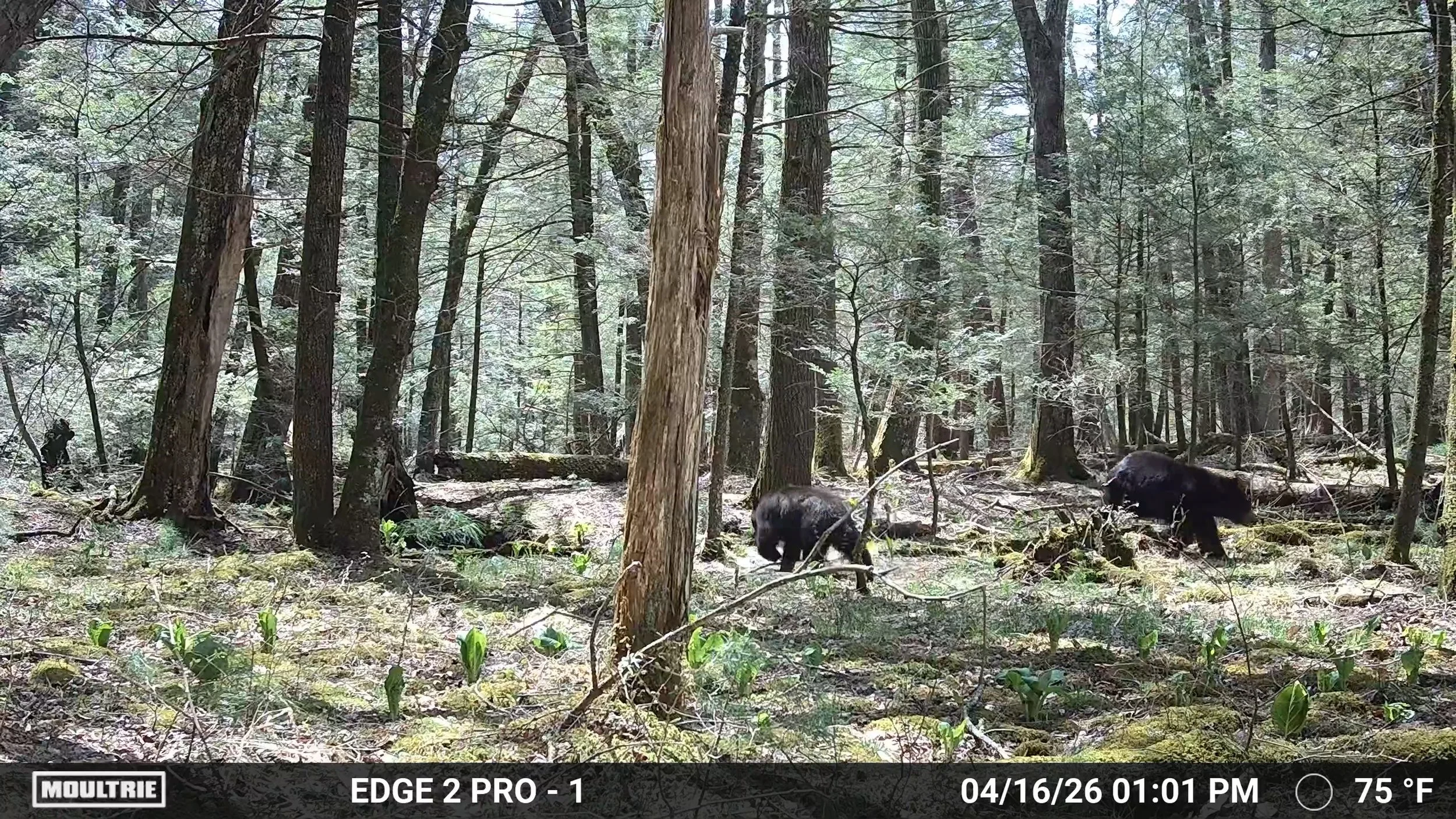
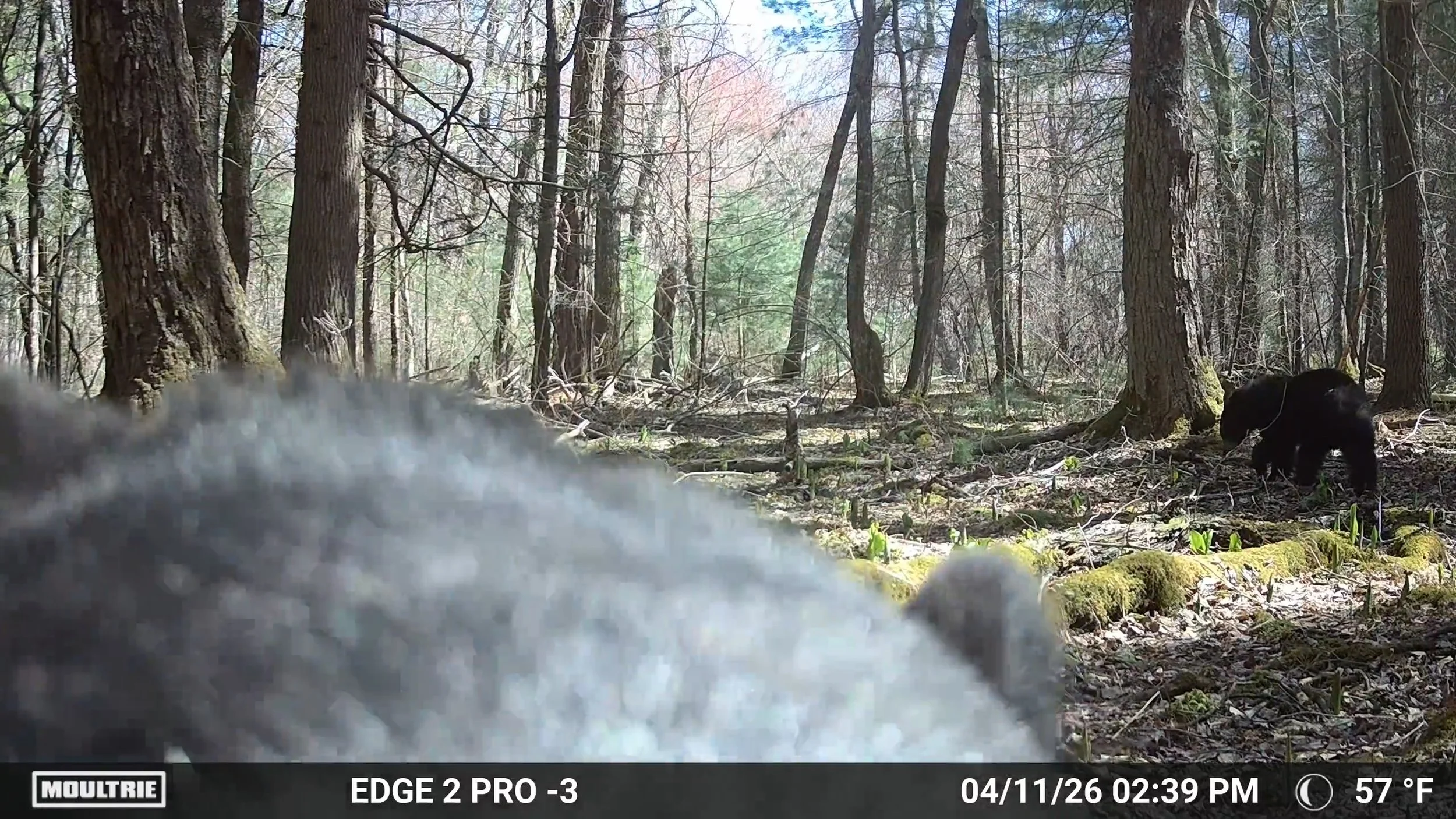
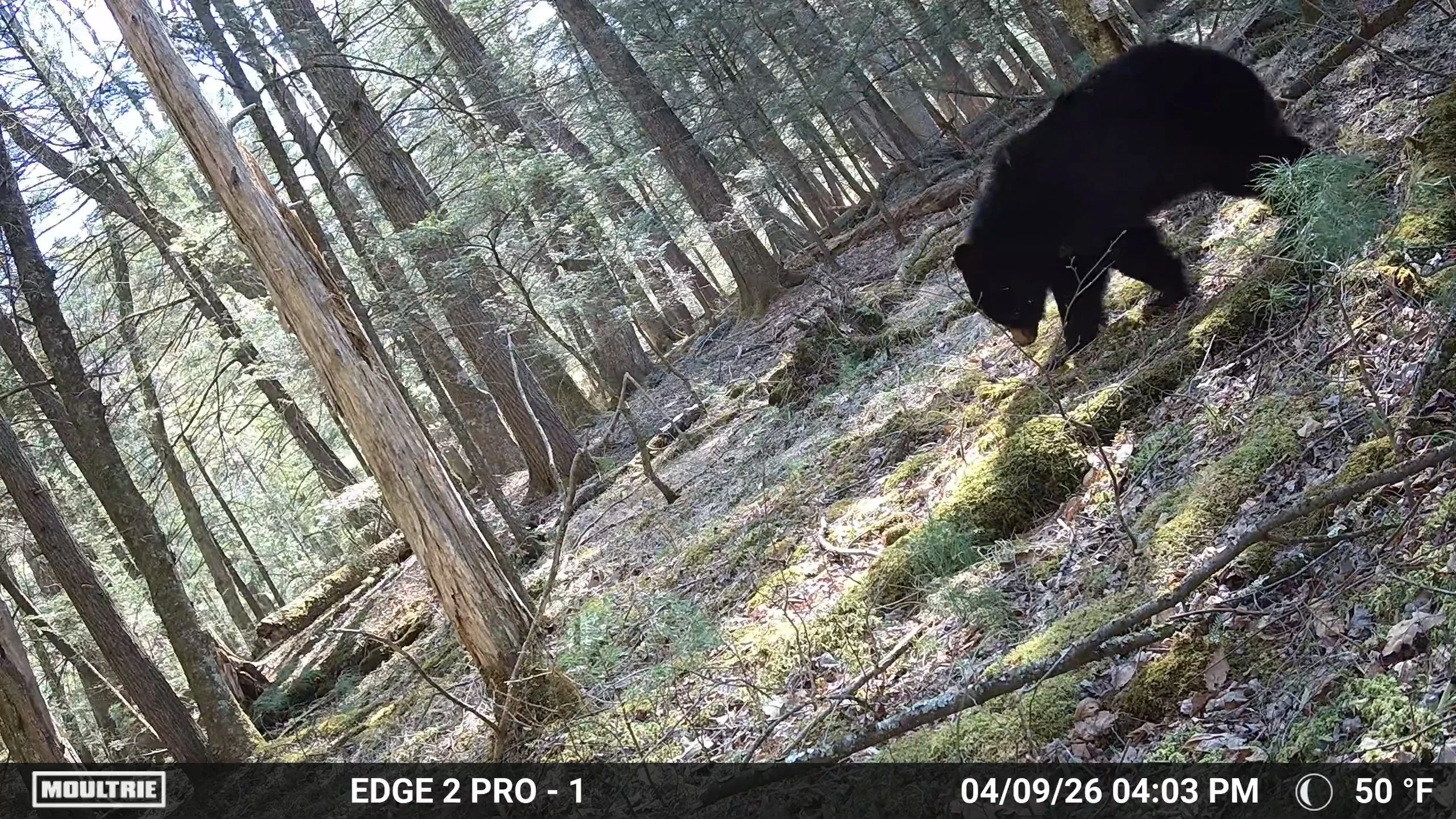
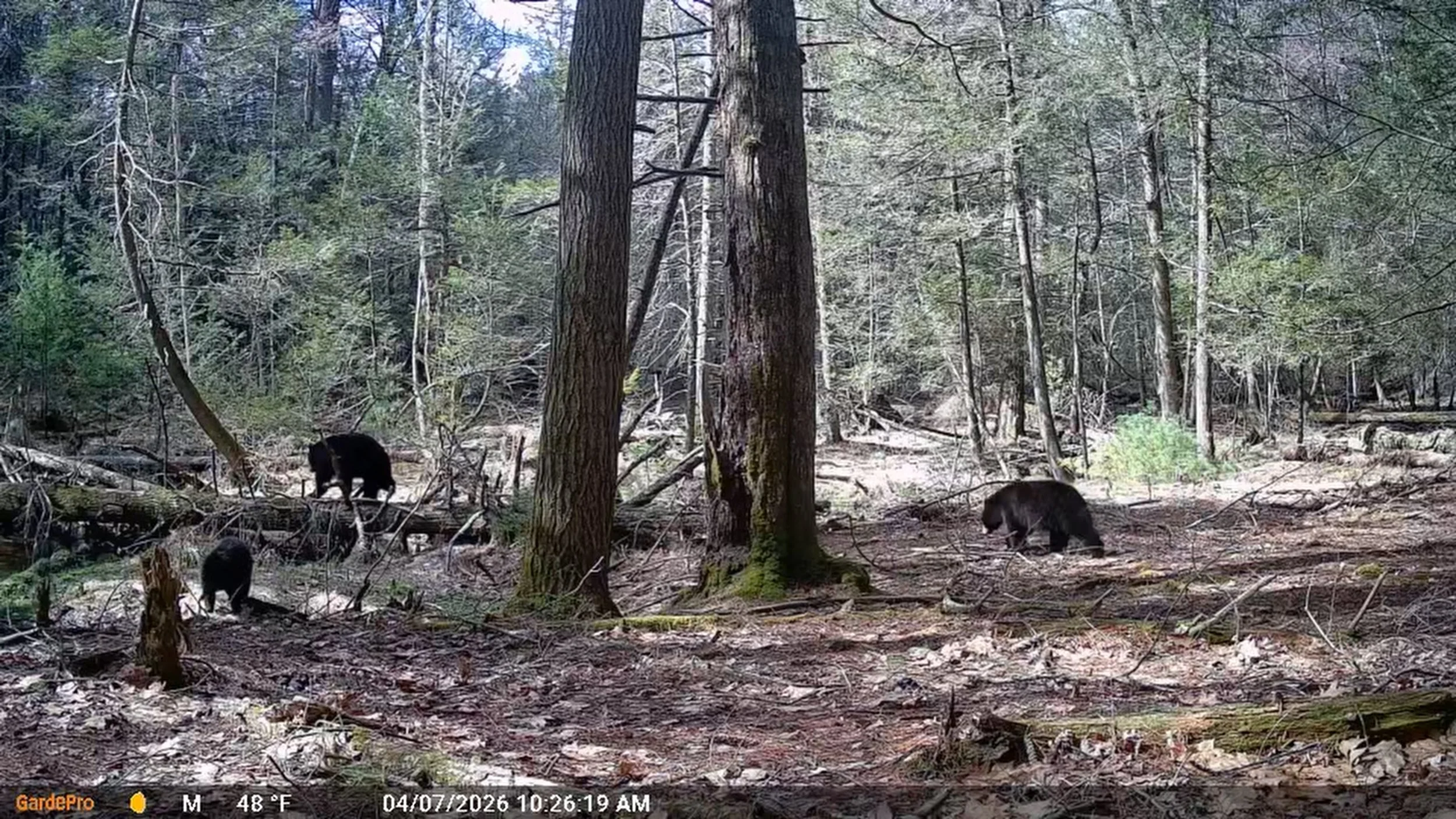
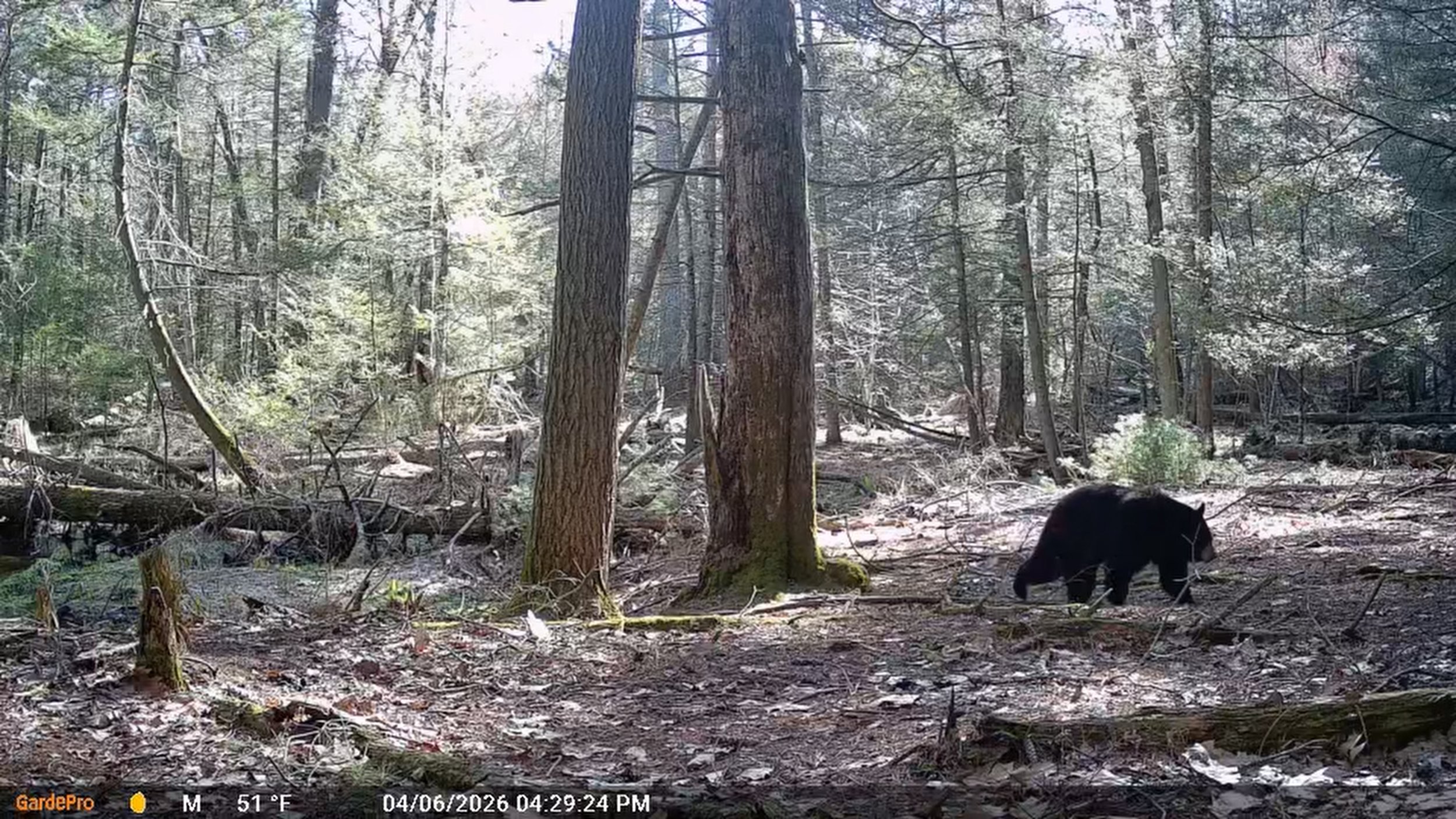
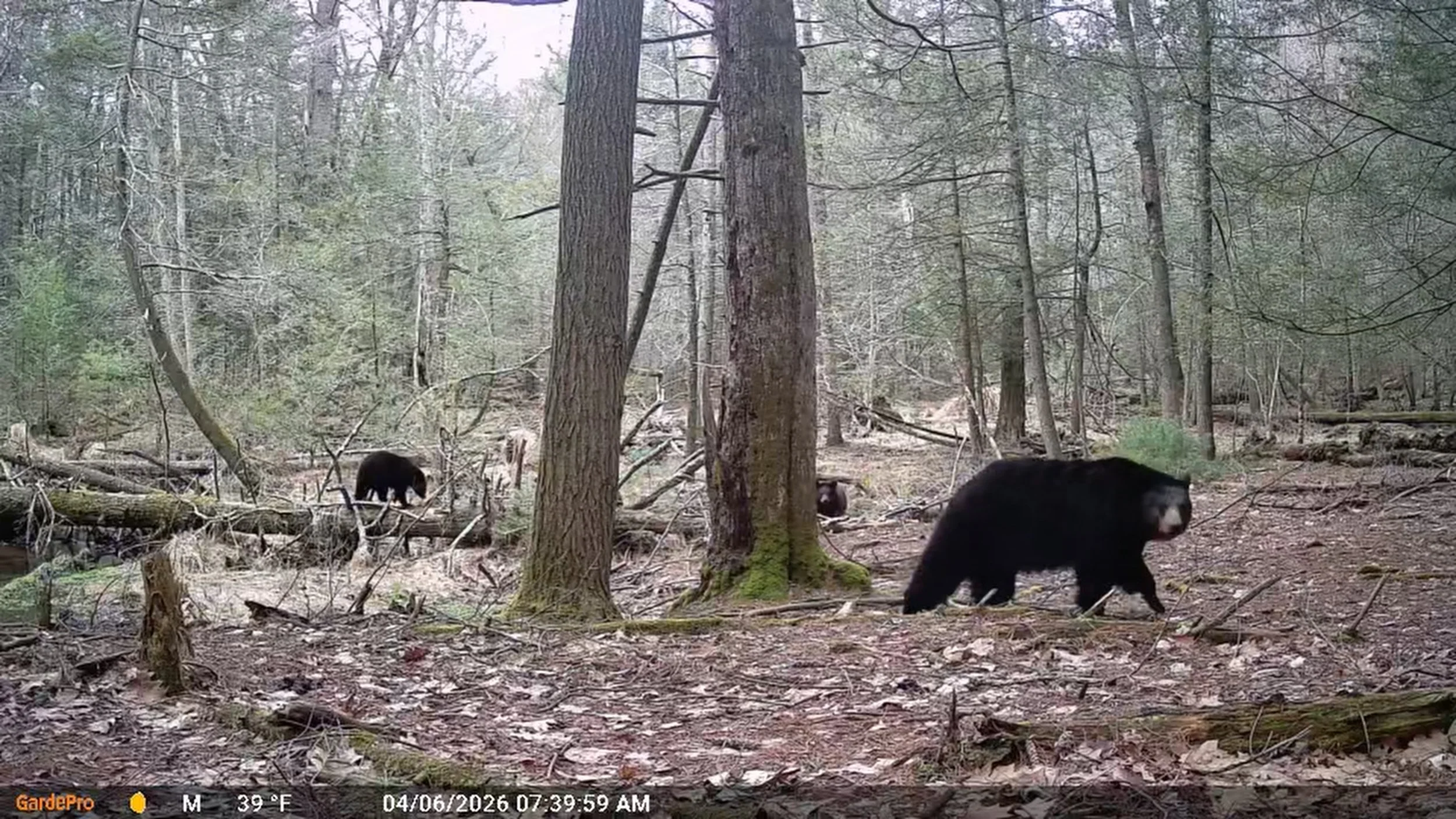
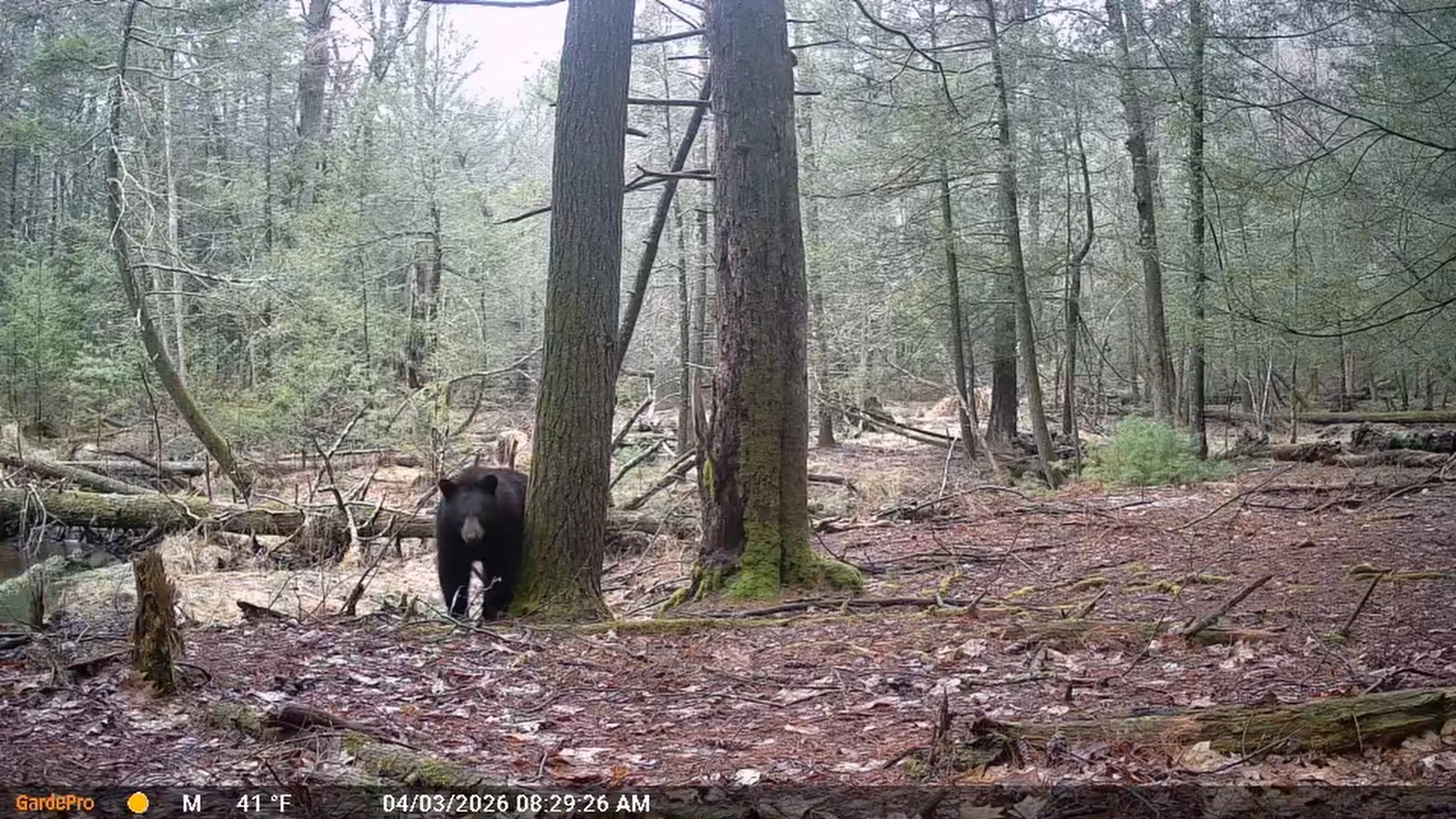
These images are pulled from trail cameras placed in the same habitat where the workshop takes place. Recent activity has shown consistent bear movement through these areas as they focus on early spring food sources.
Spring Workshop Dates
This workshop is offered on a very limited number of spring dates and is booked as a private 1-on-1 experience. Each date is available to one participant only.
Available Dates
April 25–26
May 2–3
May 9–10
If you’re considering one of these dates, I recommend reserving it early. Once a date is booked, it is removed from the schedule.
Week day Workshop dates can be arranged upon request.
What You’ll Learn
By the end of the workshop, you won’t just have photos — you’ll understand why those opportunities happened and how to create them again.
You’ll learn how to:
Identify the type of habitat black bears use in early spring
Recognize travel routes and feeding areas
Position yourself to observe bears safely and ethically
Set up for strong wildlife compositions before a bear appears
Adjust camera settings quickly when wildlife appears unexpectedly
Work slowly and quietly in wildlife habitat without disturbing animals
Evaluate a location and decide if it’s worth staying or moving
Even if wildlife activity is slow, you will leave with practical field knowledge you can apply immediately on your own.
Workshop Structure
This is a 2-day private workshop designed to balance time in the field with learning how to make better decisions as a wildlife photographer.
Day 1
5:30 am start time
Field session focused on habitat and scouting techniques
Lunch Break
Midday photo review and discussion of what we saw and why it mattered
Discuss Camera settings, positioning, composition refinement
Afternoon/Evening: Field session focused on positioning and observation (out till sundown)
Day 2
5:30 am start time
Field session applying what we have learned
Late Morning:
Wrap-up: How to continue using these techniques after the workshop
Workshop ends 12:30pm
Who This Workshop Is For
This workshop is designed for photographers who want to improve their field skills, not just collect wildlife photos.
This workshop is a great fit if you:
Already own a camera and telephoto lens
Want to become more confident finding wildlife on your own
Enjoy slower, more patient field photography
Want to understand animal behavior instead of relying on luck
Are comfortable spending extended time outdoors
This workshop may not be the right fit if you:
Are completely new to photography
Want guaranteed wildlife sightings
Prefer short or fast-paced photography sessions
Are uncomfortable walking on uneven terrain
Difficulty Level & Requirements
This workshop takes place in a natural environment where terrain and conditions can change quickly. The goal is to create real wildlife photography opportunities while keeping the experience safe, respectful to the animals, and comfortable for both participants.
Physical level: Moderate
Walking on uneven rocky ground both on an off established trails
Standing or sitting for extended periods
Slow, quiet movement through habitat
Early morning starts
Because this workshop focuses on wild black bears during the spring season, it is important that everyone is able to move quietly, follow instructions when wildlife is present, and remain aware of their surroundings. The workshop is designed to be safe and respectful to wildlife at all times, and no actions will ever be taken that could disturb or endanger the animals.
Participants are responsible for bringing appropriate footwear and clothing for outdoor conditions. Weather in early spring can change quickly, and being properly prepared will make the experience much more enjoyable. Workshops are held rain or shine.
All participants will be asked to sign a simple liability waiver before the workshop begins. This is standard for outdoor photography workshops and simply confirms that you understand the nature of the activity and feel comfortable participating.
Pricing & Availability
Private 2-Day Workshop
Standard Price : $1,250
This workshop is priced differently from standard guided sessions because it includes two days of private instruction focused on developing repeatable field skills, not just a single guided outing.
What’s included:
Pre-Workshop Google Meet call to discuss workshop
2 days of private instruction
Field-based wildlife photography coaching
Habitat and behavior instruction
Camera settings and composition guidance
Follow-up email support after the workshop
Availability is extremely limited
Only one participant per workshop date ( 1:1 client to Instructor ratio)
Only a small number of spring dates available to coincide with peak black bear activity
Available Workshop Dates
Only one participant per date
Once a date is reserved, it is no longer available.
To reserve a spot:
50% deposit required at booking
Remaining balance due 1 Week Prior to the workshop

Location
This workshop takes place in carefully selected black bear habitat in Connecticut, within reasonable driving distance of the Hartford area. The closest area airport is Bradley International Airport for those of you coming in from out of state.
Specific meeting details and exact locations will be provided after booking. This helps ensure a smooth experience while also protecting the integrity of the wildlife areas we’ll be working in.
FAQs
What happens if we don’t see a bear?
1
The workshop focuses on teaching the skills needed to find and photograph wildlife independently. Even if wildlife activity is slow, you will leave with knowledge you can continue using long after the workshop.
Do I need to be an advanced photographer?
2
No, but you should already be comfortable using your camera and telephoto lens. This workshop focuses more on field skills than basic photography instruction.
Is lodging included?
3
No, this workshop focuses entirely on field instruction. I will provide recommendations for nearby lodging if needed. There are numerous hotels around the Bradley International airport that are within a 30 minute driving time to the location.
Can I ask questions about camera settings during the workshop?
4
Absolutely. Camera setup, exposure adjustments, and wildlife photography techniques are part of the workshop.
About the Instructor
Todd DeWald is a full time wildlife and conservation photographer focused on creating natural, behavior-based wildlife images in real field conditions.
My goal with this workshop isn’t just to help you get photos for one weekend — it’s to help you build the confidence and field awareness needed to continue finding wildlife on your own.
I believe the most valuable skill a wildlife photographer can develop is understanding how animals use their environment, and this workshop is built entirely around that idea.
I will use my years of experience in the field as both a forest ranger and photographer to help you become proficient in finding wildlife to observe and photograph.

What to Bring
This workshop is designed for photographers who already have a basic understanding of their camera and want to improve their ability to photograph wildlife in real conditions. Bringing the right gear will make the experience much more productive and enjoyable.
Camera Gear
A camera body that you are comfortable using in the field. The workshop will focus on real wildlife situations rather than basic camera setup, so it’s important that you already feel confident using your camera.
A telephoto lens suitable for wildlife photography is strongly recommended. A focal length in the 400mm–600mm range (or equivalent) will give you the best chance of creating strong images if wildlife appears.
If you normally use a tripod or monopod for wildlife photography, feel free to bring it, but it is not required. The terrain can be uneven in some areas, so the ability to work handheld is helpful.
Extra batteries and memory cards are also recommended so you don’t need to worry about running out of power during the day.
Clothing and Footwear
Comfortable hiking shoes or boots with good traction are strongly recommended. Some walking will take place on uneven terrain, and proper footwear will make a big difference in both comfort and safety.
Dress in layers that are appropriate for early spring conditions. Mornings can be cool, while afternoons can warm up quickly, especially when walking. Workshops are held rain or shine.
Neutral or earth-toned clothing is recommended when photographing wildlife, but nothing specialized is required.
Optional but Helpful
A small backpack for carrying gear
A water bottle and snacks for the day
A lightweight rain jacket in case conditions change
A lens cloth or cleaning cloth
Exclusions
Lodging
Lodging is not included in the workshop. You are responsible for arranging hotel accommodations during your stay. Area hotels can be recommended upon request.
Transportation
Transportation to and from the location is not provided. It is the participants responsibility to arrange transportation during the workshop.
Meals
Meals and snacks are not included during the workshop. There will be a mid-day break for lunch. Breakfast and dinner breaks are not provided, however there will be opportunities to snack.
Airport
The nearest airport is Bradley International Airport. There are hotel accommodation and rental car services in and around the airport as well.

Workshop Information:
Workshop is held rain or shine unless in extreme/ severe weather.
Cancellations
All deposits are non-refundable. If you need to cancel and there is someone on the waitlist able to take your spot, your payment will be refundable minus a 15% cancelation fee.
We are not responsible for cancellations due to medical or other reasons. Should cancellation be required due to severe weather, an alternate date will be scheduled at no additional charges.
No fees will be refunded if you withdraw after the photo workshop begins.
We are not responsible for any fees associated with non-refundable travel costs, it is recommended you purchase travel insurance if necessary.